

Hats cover far more than the familiar baseball cap. From boonie hats, ear-flap hats and fitted bonnets to short-brim caps, truckers, bucket hats and knitted beanies, every shape changes the proportions and character of an outfit in a different way.
The right choice depends on more than the logo or colour. Crown height, brim width, structure, coverage, fabric and fit all affect how a hat frames the face and works with the rest of your clothing. This guide explains how to choose between the main types of headwear, including everyday caps, practical outdoor shapes, cold-weather styles and less familiar vintage designs. You can compare current options in our hats and caps collection as you read.
Choose the function and silhouette before the graphic.
Choose the function and silhouette before choosing the graphic. Caps and short-brim hats offer a cleaner everyday shape; bucket and boonie hats add softer all-round coverage; ear-flap hats, bonnets and beanies provide more warmth and protection. Whatever the style, it should feel secure without pressure, sit evenly and work with several outfits you already own.
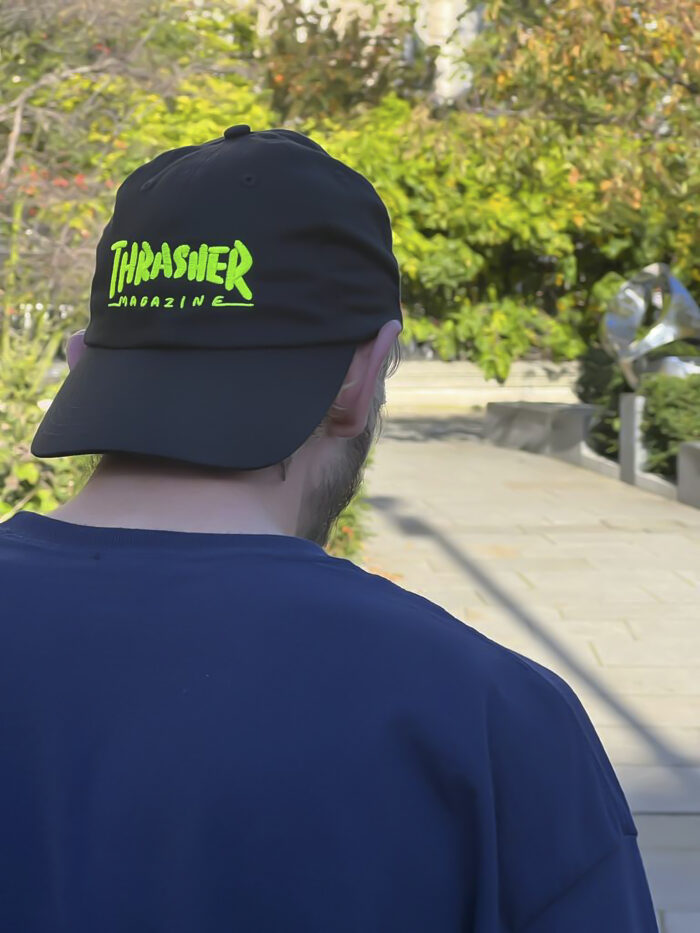
Wear the hat for several minutes, then look down, turn your head and move naturally. It should stay secure without creating pressure. Check that the brim does not obstruct your view, the crown sits evenly and any ear flaps, ties or fastenings remain comfortable.
Why different hat shapes create completely different outfits
Headwear sits at the highest point of an outfit, so its outline is immediately visible. A structured baseball cap creates a clean forward line. A boonie or bucket hat adds width around the whole head. A bonnet or ear-flap hat frames the cheeks, while a close fisherman beanie produces a compact shape above the face.
That difference matters when the rest of the outfit is oversized. Wide trousers and heavy outerwear can support a larger crown or broader brim, while cleaner outfits often suit a lower-profile cap or short-brim design. The strongest combination is usually balanced rather than perfectly matched.
Function also changes the appearance. Boonie hats and ear-flap styles reveal their practical origins through cords, extended panels and protective coverage. Bonnets and knitted shapes feel softer. Caps, truckers and short-brim hats create more structure and direct attention towards the face.
Start with the purpose
Decide whether you need everyday structure, sun coverage, warmth or a stronger statement shape.
Balance the silhouette
Crown height, brim width, ear coverage and fabric weight should suit your face and clothing.
Choose for repeat wear
The most useful hat should work with several outfits rather than one isolated look.
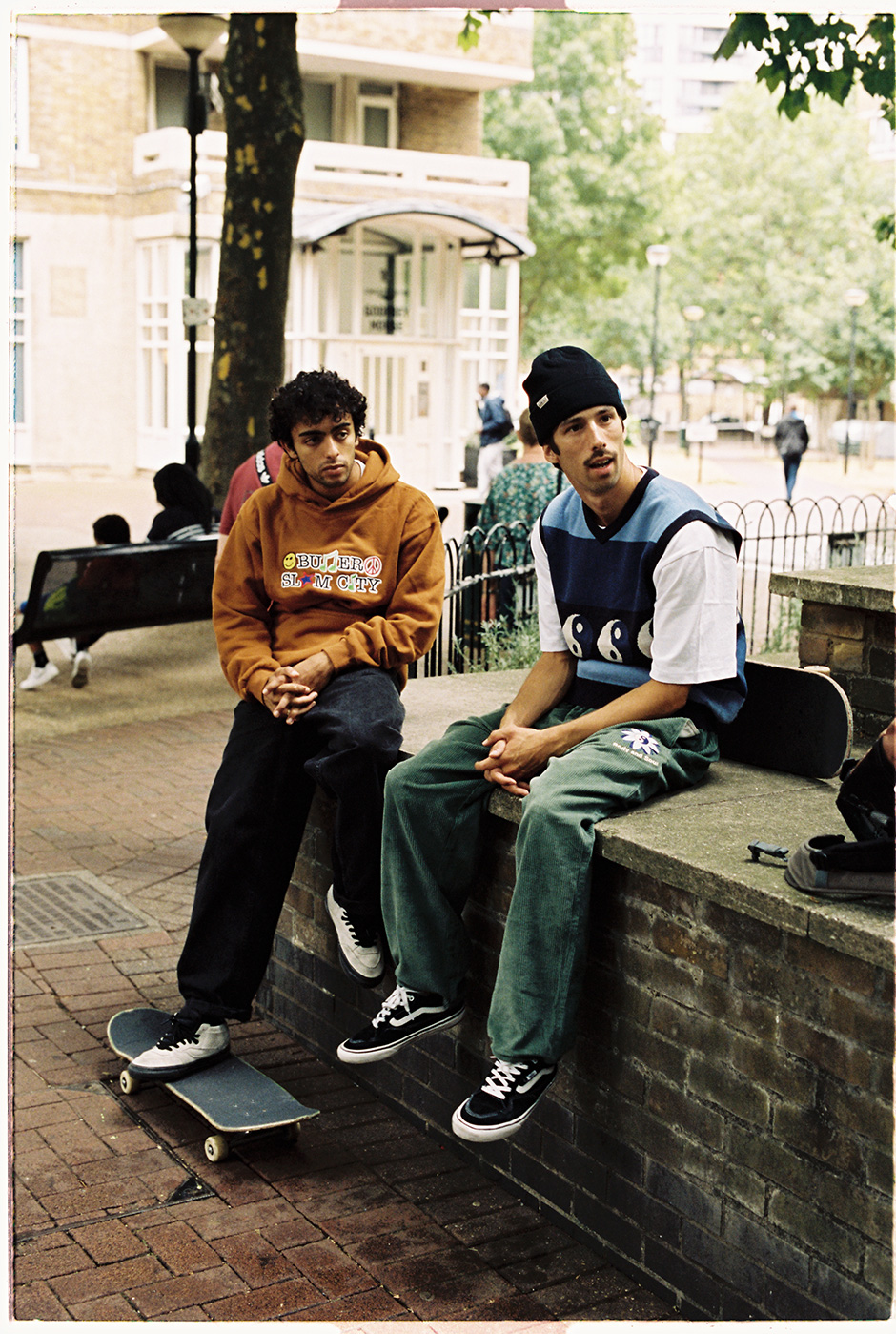

How should a hat fit?
A well-fitting hat should feel secure without squeezing. It should remain in place during normal movement, but you should not feel a tight band across the forehead or pressure at the temples.
Caps should normally sit level, with the sweatband making even contact around the head. The crown should have enough depth to feel stable without covering the ears or collapsing heavily at the back. Beanies should hold their position without leaving a deep mark around the forehead.
The hat stays in place when you look down or turn your head.
The sweatband feels secure without creating pressure.
The crown sits evenly rather than lifting at one side.
The hat does not press heavily against the tops of your ears.
The adjustment is near the middle of its range rather than fully open or closed.
How to measure your head for a hat
Use a soft measuring tape and wrap it around the widest part of your head. Place it roughly one centimetre above your eyebrows, pass it just above the ears and keep it level around the back of your head. Do not pull the tape tightly. Take the measurement twice and use the larger result if the numbers differ slightly.
Measure level around the widest part of your head above the eyebrows and ears.
Determines how high or low the hat sits and whether it reaches the ears.
Structured crowns hold their shape; unstructured crowns follow the head more closely.
Brim width and curve affect facial balance, coverage and overall attitude.
Adjustable, fitted or stretch-fit?
Adjustable hats are the easiest option when buying online. Strapbacks, buckle closures and snapbacks allow small changes in circumference and can accommodate different hairstyles.
Fitted hats offer a cleaner shape because there is no opening or adjustment at the back, but the sizing needs to be accurate. Always use the individual brand’s size chart. Stretch-fit hats sit between the two, using an elasticated band to provide flexibility while maintaining a closed back.
Adjustable
Best for flexible sizing, online purchases and changing hairstyles.
Fitted
Best for a clean closed-back finish when your exact size is known.
Stretch-fit
Best for a close athletic feel with a small amount of flexibility.
Hat styles explained
The names used for hats are not always consistent between brands, but the construction usually reveals what each style is designed to do. These are the main shapes worth understanding before you buy.
Baseball caps
Baseball caps use a forward brim and a panelled crown. Structured versions hold a cleaner shape, while softer versions sit closer to the head. They are the most versatile option for everyday streetwear.
Explore hats and capsDad caps
Dad caps normally have an unstructured crown, curved brim and adjustable fabric strap. Their softer shape and washed fabrics make them easy to combine with relaxed denim and vintage-inspired clothing.
Snapbacks and fitted caps
Snapbacks have an adjustable closure and usually a firmer, higher crown. Fitted caps remove the rear opening for a cleaner finish but require an accurate size. Both create a stronger hip-hop, skate and sportswear reference.
Trucker caps
Trucker caps combine a structured front with mesh rear panels. The higher crown, curved or flat brim and visible contrast between materials give them a distinctive workwear and Y2K character.
Five-panel and short-brim hats
Five-panel caps sit lower and flatter than traditional baseball caps. Short-brim hats reduce the projection at the front, creating a compact silhouette that works well with skate, cycling and workwear-influenced outfits.
Bucket hats
Bucket hats use a soft crown and a downward brim around the whole head. Cotton versions feel relaxed and familiar, while nylon or technical fabrics create a more functional outdoor direction.
Boonie hats
Boonie hats usually have a wider, softer brim, ventilation details and an adjustable chin cord. Their military and outdoor origins make them ideal for utility-led styling, cargo trousers and practical summer coverage.
Ear-flap hats
Ear-flap hats extend below the crown to cover the ears and sometimes the cheeks or back of the neck. They range from technical nylon caps to padded winter styles and create a distinctive functional silhouette.
Bonnets and tied hats
Bonnets frame the face and secure beneath the chin or around the neck. Modern streetwear versions may use technical fabrics, quilting or extended side panels, while softer fabric bonnets introduce a more vintage and expressive character.
Beanies
Beanies add warmth and texture without a brim. Longer cuffed versions feel relaxed, while close-fitting shapes create a cleaner outline around the head.
Fisherman beanies
Fisherman beanies use a short crown and rolled cuff, sitting above or close to the ears. Their compact shape has a clear workwear and skatewear influence.
Flat caps and newsboy hats
Flat caps use a low crown and short peak, while newsboy hats add more volume through multiple panels. Both introduce a stronger vintage reference and work best when the fabric and rest of the outfit support that direction.

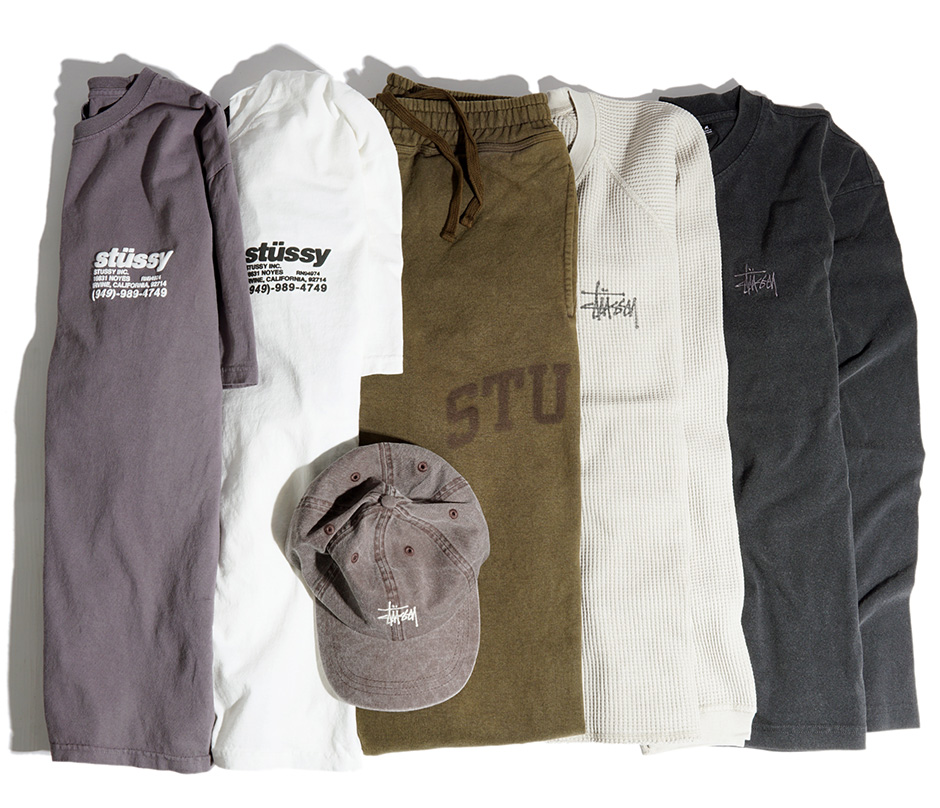
Which crown shape should you choose?
The crown is the body of the hat above the brim. A high structured crown creates more height and a stronger outline, while a low unstructured crown sits closer to the natural shape of the head.
Higher crowns suit outfits with more volume because they retain presence alongside oversized jackets and wide trousers. Lower crowns feel subtler and often work well with simple T-shirts, denim jackets and lighter layers.
The crown controls the silhouette; the brim controls the attitude.
Should the brim be curved or flat?
A curved brim follows the face more closely and normally feels easier to wear. It is the standard choice for baseball caps and dad caps, offering a familiar everyday shape.
A flat brim creates a stronger horizontal line and is closely associated with snapbacks, hip-hop and skate style. It can be worn completely flat or given a light curve, but forcing a deep bend into a stiff brim can distort its shape.
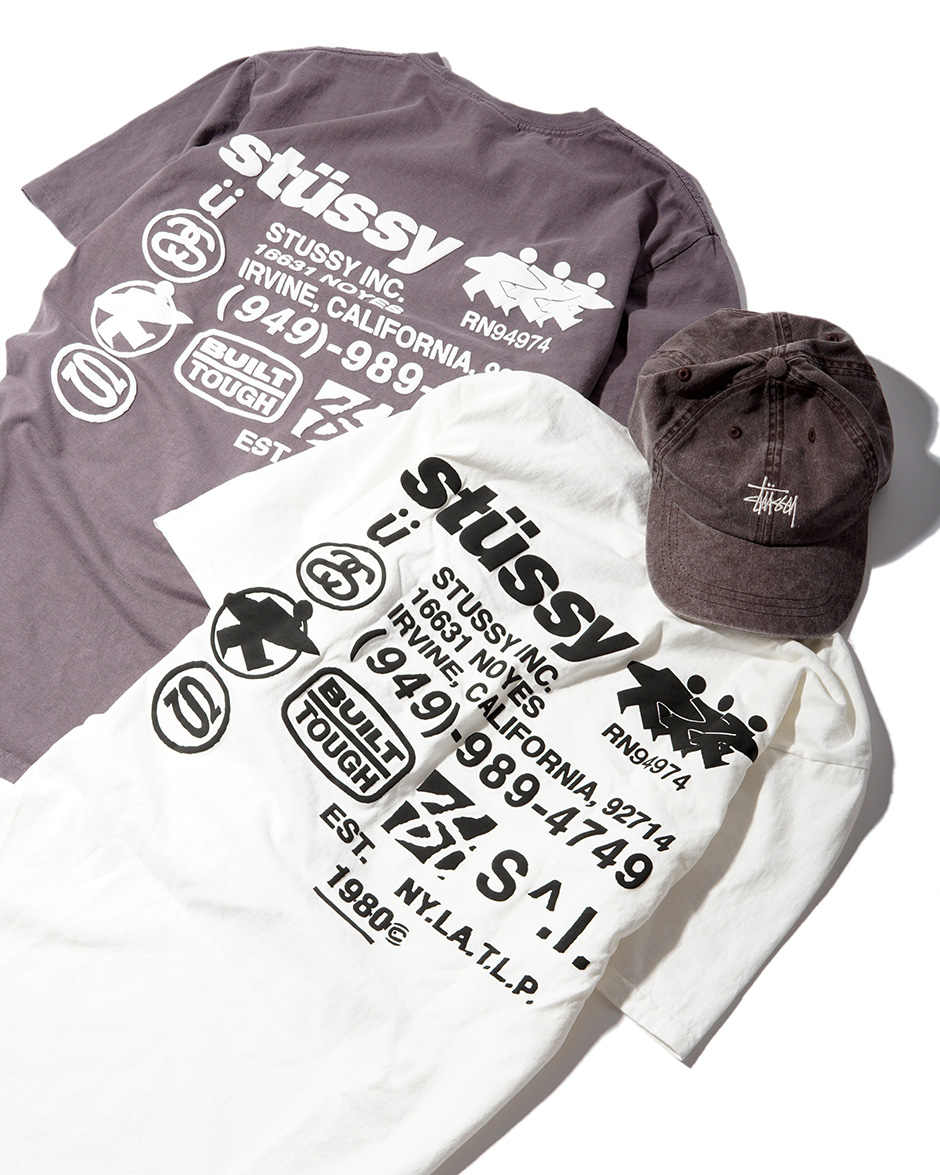
Which hat suits each face shape?
Face-shape advice is useful for understanding proportion, but it should never become a strict rule. Hairstyle, crown height, brim width and the way you position the hat can change the result significantly.
Round faces
A slightly higher crown and straighter brim can introduce more structure. Avoid crowns that sit extremely low if you want to create a longer outline.
Square faces
Curved brims, softer dad caps and bucket hats can balance a stronger jawline. Unstructured materials keep the overall effect relaxed.
Oval faces
Most shapes work. Focus on crown depth, comfort and how the hat relates to your hairstyle and clothing.
Heart-shaped faces
Medium crown heights and gently curved brims usually create balance without adding too much width across the upper face.
Long or rectangular faces
Lower crowns and curved brims can reduce additional vertical height. Very tall structured crowns may exaggerate the length of the face.
Which hat materials are best?
Material affects comfort, shape, breathability and how the hat ages. Cotton twill is the most versatile everyday choice because it is comfortable, durable and available in both structured and washed finishes.
Canvas feels firmer and holds a utilitarian shape. Corduroy adds visible texture and works especially well in autumnal colours. Denim connects naturally with baggy jeans and vintage workwear, while nylon is light, quick-drying and suited to technical styling.
Versatile, breathable and easy to wear throughout most of the year.
Adds texture and a stronger vintage or workwear reference.
Provides warmth and structure for beanies and colder-weather caps.
Lightweight, breathable and closely linked to trucker and technical styles.
What colour hat should you buy first?
Black is the simplest first choice because it works with almost everything and gives lighter outfits a clear point of contrast. Navy is slightly softer and works naturally with blue denim, grey and cream.
Olive, brown and washed green connect well with cargo trousers, workwear and neutral streetwear. Cream or off-white brightens darker outfits but will show wear more quickly. Washed blue and faded denim feel especially natural with vintage-inspired clothing.
A statement colour is worth buying when it repeats something already present in your wardrobe. A red cap, for example, becomes easier to wear when you regularly use red graphics, trainers or small accessories.
Choose one dark neutral hat, one washed or textured option and one stronger colour only after you know which crown shape you enjoy wearing.
How to buy vintage hats
Vintage hats can offer better fading, unusual embroidery and shapes that are difficult to reproduce convincingly. They also require more careful inspection because closures, sweatbands and internal structure can weaken with age.
Check the front panels for cracking or collapse, particularly when the cap contains foam. Test snap closures carefully, inspect metal buckles for corrosion and look for stretched elastic in fitted or stretch-fit styles.
Examine the inside band for staining, odour and deterioration. Natural fading can add character, but heavy sun damage may weaken the fabric or make the colour uneven in a way that feels accidental rather than authentic.
The closure still adjusts and holds securely.
The sweatband is intact and comfortable.
The brim is not cracked, warped or heavily softened.
Foam panels are not disintegrating inside the crown.
Embroidery and patches remain securely attached.
Any fading or wear looks consistent rather than heavily damaged.
How to style hats with streetwear
With baggy jeans
Use a structured cap, trucker or beanie with enough visual presence to balance the wider silhouette. Washed cotton and vintage embroidery work naturally with faded denim.
Explore Baggy BlissWith cargo trousers
Olive, brown, black and neutral caps reinforce the practical workwear influence of cargo trousers. A five-panel or technical nylon cap can create a more outdoor-led direction.
Shop trousersWith oversized T-shirts
A cap gives structure to a loose upper half and creates a clear stopping point above the shoulders. Match a small graphic or embroidery colour for an easy sense of continuity.
Shop T-shirts and shirtsWith hoodies and jackets
Check that the crown remains comfortable beneath or beside a hood. Lower-profile caps and beanies layer more easily, while taller trucker caps work best with the hood left down.
Shop jumpers and jacketsWith sunglasses and jewellery
Keep enough space between the brim and the sunglasses so the face does not feel crowded. Metal buckles, embroidery and jewellery can be repeated subtly without making every accessory match exactly.
Explore sunglassesFor a complete relaxed outfit, combine your headwear with correctly proportioned denim using our guide to how baggy jeans should fit. You can also learn how cargo trousers should fit and use the ultimate guide to buying sunglasses to balance the accessories around your face.
Common mistakes when buying hats
Choosing the logo before the fit
A strong graphic cannot rescue a crown that feels too shallow, too tall or uncomfortable around the forehead.
Ignoring crown depth
Two hats with the same circumference can sit completely differently. A shallow crown may lift, while an excessively deep crown can press against the ears.
Buying an adjustable hat at its limit
If the closure needs to be fully open or fully tightened, the base size and crown proportion are probably wrong.
Forcing the brim into the wrong shape
A gentle adjustment is fine, but aggressively bending a stiff brim can create cracks, uneven curves or permanent distortion.
Choosing a colour with no repeat outfits
A statement hat offers better value when its colour connects with several pieces already in your wardrobe.
How to clean and store hats
Always check the care label first. Many cotton caps can be spot-cleaned with cool water and a small amount of gentle detergent. Use a soft cloth or brush and avoid soaking the brim unless you know its internal material can tolerate water.
Allow hats to air-dry naturally while supported in their original shape. Avoid direct heat, tumble drying and leaving a damp cap folded or crushed. Structured hats can be filled lightly with a clean towel while drying.
Store caps on a shelf, peg or hat stand with enough room for the crown and brim to retain their shape. Fold knit beanies rather than hanging them, as long-term hanging can stretch the opening.
Your hat buying checklist
The circumference feels secure without pressure.
The crown depth suits your head and does not interfere with your ears.
The brim shape balances your face and preferred styling.
The adjustment sits comfortably within its usable range.
The material suits the season and intended use.
The colour works with several outfits you already own.
The stitching, closure and sweatband feel well constructed.
The care requirements are realistic for how often you will wear it.
Start with the fit, then choose the character
Once the circumference, crown depth and comfort are right, decide whether you want a clean everyday cap, washed vintage texture, structured snapback, Y2K trucker or relaxed beanie.
Build the headwear edit
Frequently asked questions
How should a hat fit?
A hat should feel secure without squeezing. It should remain in place when you move, sit evenly around the head and avoid pressing heavily against the forehead, temples or ears.
How do I measure my head for a hat?
Wrap a soft measuring tape around the widest part of your head, approximately one centimetre above the eyebrows and just above the ears. Keep the tape level and comfortably close rather than tight.
What is the difference between a baseball cap and a dad cap?
Baseball cap is a broad category that can include structured and unstructured designs. A dad cap is normally softer, lower-profile and unstructured, with a curved brim and adjustable fabric strap.
What is the difference between a snapback and a fitted cap?
A snapback uses an adjustable plastic closure at the back. A fitted cap has a closed back and is produced in specific circumference sizes.
Should a cap touch my ears?
Light contact can be normal depending on the crown depth, but the cap should not press heavily against or fold the tops of your ears.
Can hats stretch over time?
Some fabrics and internal bands soften or stretch slightly through wear, particularly knit beanies and natural fibres. Do not rely on major stretching to correct a hat that feels clearly too small.
What colour hat goes with everything?
Black is the most versatile option. Navy, olive, brown, grey and cream are also easy to repeat, depending on your wardrobe.
Are trucker caps still wearable?
Yes. Their high crown and mesh construction create a strong Y2K, skate and workwear influence.
How do I clean a baseball cap?
Check the care label, then spot-clean with cool water, gentle detergent and a soft cloth or brush. Allow the cap to air-dry in shape.
Should I buy a fitted or adjustable hat online?
An adjustable hat is the safer option when you are uncertain about size. Fitted hats are worthwhile when you know your precise measurement.
How many hats should you own?
A practical starting collection is one dark neutral cap, one lighter or washed cap, one seasonal beanie and one statement style.
Can you wear sunglasses with a cap?
Yes. Leave enough space between the brim and frame and make sure the sunglasses arms are not trapped uncomfortably.
Final thoughts
The best hat combines comfort, proportion and repeatable style
Begin with circumference and crown depth. Make sure the hat stays secure, avoids pressure and sits comfortably around your ears. Once those essentials are right, choose the brim, material and colour that make sense with your wardrobe.
A black or washed cotton cap is the easiest place to start. Snapbacks, trucker caps, bucket hats, textured fabrics and brighter colours become worthwhile when they support a clear direction and work with more than one outfit.
Explore hats and caps →

