

Cargo trousers should feel relaxed, practical and balanced. The waistband needs to stay secure, the seat and thigh should allow easy movement, and the leg should fall cleanly over your footwear without looking either restricted or shapeless.
This guide explains how cargo trousers should fit at the waist, through the rise, seat and thigh, how wide the leg should be, where the hem should finish and how pocket placement affects the overall silhouette. You can compare relaxed shapes in our trousers collection as you read.

The Dikdik Test
Walk, sit and take a full stride. If the waistband stays in place, the thigh does not pull and the cargo pockets remain flat rather than twisting around the leg, the foundation of the fit is right.
What makes cargo trousers fit properly?
Cargo trousers are defined by their utility pockets, but the fit comes from the same elements as any well-cut trouser: waist, rise, seat, thigh, leg width and length.
The difference is that cargo pockets add visual and physical volume around the thigh or lower leg. The cut therefore needs enough room to prevent the pockets from pulling, bulging or rotating towards the front or back of the leg.
A good pair should look relaxed because of the pattern, not because the waist has been bought several sizes too large. The upper section should remain controlled while the lower half carries the wider, practical silhouette.
The waist stays in place without excessive tightening or bunching.
The seat and thigh move freely around the cargo-pocket structure.
The trousers meet the footwear without dragging or collapsing.
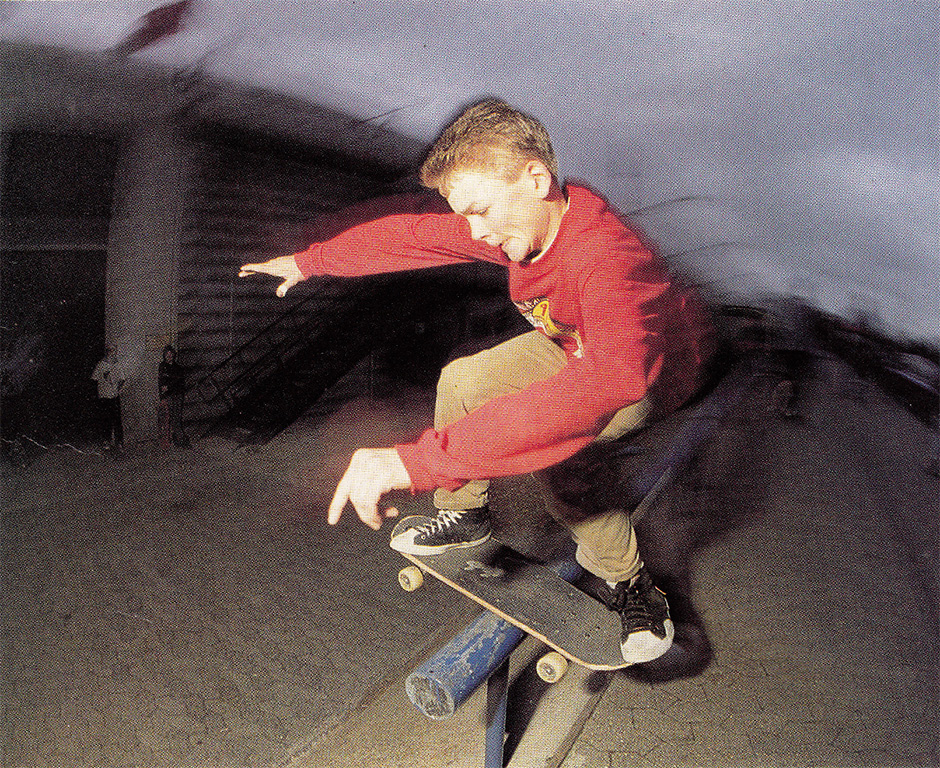
Elasticated or drawcord hems can sit slightly higher because the fastening creates a deliberate stopping point. Open hems normally need enough length to meet the shoe and retain the full leg shape.
What about cuffed cargo trousers?
A cuff should sit securely around the ankle without gripping tightly or riding far up the calf. The fabric above it should fall naturally rather than balloon excessively unless that shape is part of the design.
Where should the cargo pockets sit?
Traditional cargo pockets sit on the outer thigh, usually between the hip and knee. Their exact position changes the visual balance of the trousers.
Higher pockets make the leg look longer and keep the utility detail closer to the hip. Lower pockets create a stronger workwear or Y2K effect but can make the trousers feel heavier around the knee.
The pockets are sitting correctly when:
- They remain on the outside of the leg.
- The flaps lie flat when the pockets are empty.
- The side seams do not rotate towards the front.
- The pocket base does not press directly into the kneecap.
The three signs that the fit is right
Use these checks while trying the trousers on. Together they test security, movement and overall proportion.
01 The waistband stays in place
The trousers remain comfortable and secure while walking and sitting, without excessive tightening or bunching.
Explore belts for small fit adjustments02 The pockets stay properly positioned
The cargo pockets stay on the outside of the leg and remain flat rather than pulling or rotating forwards.
Compare cargo-trouser silhouettes03 The hem works with your footwear
The trousers meet your shoes naturally, retain their shape and stay clear of the ground during normal movement.
Find footwear with enough visual weightCommon cargo-trouser fit mistakes
Buying a much larger waist size
Extra waist size does not guarantee a better relaxed leg. It often creates instability above while moving the pockets and rise out of position.
Ignoring pocket placement
Pockets sitting too low can interfere with the knee, while pockets rotating forwards usually indicate that the thigh is too narrow.
Choosing too much length
Some stacking suits a relaxed cargo shape. Fabric trapped beneath the heel quickly makes the outfit look untidy and damages the hem.
Overfilling the pockets
Cargo pockets are functional, but carrying bulky items changes the shape and can make one side of the trousers hang lower.
Making every layer equally oversized
A relaxed top can work, but a visible waistband, defined shoulder or shorter outer layer helps prevent the outfit becoming shapeless.
Measure before you buy
Five measurements that define the cargo silhouette
Measure straight across the waistband, then double it.
Measure from the crotch seam to the top of the waistband.
Measure across the leg close to the crotch seam.
Measure from the crotch seam down to the hem.
Measure straight across the bottom of one leg.
How to choose the right size online
Start with a pair of trousers you already own and enjoy wearing. Lay them flat without stretching the fabric, then compare the waist, rise, thigh, inside leg and hem opening with the product listing.
Pay attention to the fabric as well as the measurements. Structured cotton twill holds a stronger shape, while lighter fabric falls closer to the body and may appear less wide even when the measurements are similar.
Use the labelled size as a starting point rather than the final answer. Different brands and vintage eras can fit differently, so the individual garment measurements provide the clearest comparison.
Compare relaxed cargo silhouettes
Look at the rise, thigh width, pocket placement and hem together rather than choosing only by waist size.
How to style cargo trousers
Everyday balance
Pair relaxed cargo trousers with a clean T-shirt, a simple belt and trainers. The pockets provide enough detail without requiring a complicated upper half.
Shop T-shirts and shirtsSkate-inspired
Wear them with a graphic T-shirt, oversized hoodie or workwear jacket and substantial skate shoes. The wider footwear balances a generous hem opening.
Shop jumpers and jacketsRefined streetwear
Choose a structured overshirt, knitted layer or shorter jacket. Cleaner lines above the waist allow the cargo details to remain the focus.
Explore Community FavouritesY2K proportion
Use lower-sitting cargos with a visible belt and a fitted or cropped upper layer. The contrast creates a stronger early-2000s silhouette.
Shop beltsWhich shoes work best with cargo trousers?
The best footwear depends on the width and length of the leg. Chunkier skate shoes, retro runners and substantial trainers work naturally with wide cargos because they give the hem somewhere to sit.
Smaller trainers can work with straighter or slightly shorter cargo trousers. As a rule, the wider and longer the leg, the more visual weight the footwear normally needs.
Shop the guide
Build the cargo-trouser outfit
Frequently asked questions
Should cargo trousers be baggy?
They do not have to be extremely baggy, but they normally need enough room through the thigh and leg for the cargo pockets to sit naturally without pulling.
Should I size up in cargo trousers?
Start with your normal waist size when the trousers are already designed with a relaxed or baggy cut. Size up only when you deliberately want a lower fit and have checked the measurements.
Where should cargo pockets sit?
Most cargo pockets should sit on the outer thigh between the hip and knee. They should remain on the side of the leg rather than rotating towards the front.
How long should cargo trousers be?
Open hems should normally rest on the footwear and create a small break. Cuffed or drawcord hems can sit slightly higher because the fastening provides a deliberate finish.
How do I know if cargo trousers are too tight?
They are likely too tight if the thigh pulls when walking or sitting, the pockets gape, or the side seams and pockets rotate towards the front of the leg.
How do I know if cargo trousers are too big?
They are probably too big if the waistband will not stay up, the seat collapses heavily, the pockets sit far below their intended position or the hem constantly traps beneath your shoes.
What tops work best with cargo trousers?
Clean T-shirts, graphic tees, hoodies, structured overshirts and shorter jackets all work well. The best choice depends on whether you want an everyday, skate-inspired or refined streetwear outfit.
Final thoughts
The right cargos feel practical, relaxed and controlled
Start with a secure waist, then look for enough room through the rise, seat and thigh for the pockets to sit naturally. Finish with a leg width and length that work with your footwear.
When those elements come together, cargo trousers feel easy to move in and deliberate in shape. They become a versatile foundation for skatewear, Y2K outfits and relaxed everyday streetwear.
Explore trousers

