

Inside the selection process
How We Select Pieces for Dikdik Duds
Every piece begins with the same question: would we genuinely want it in our own wardrobe?
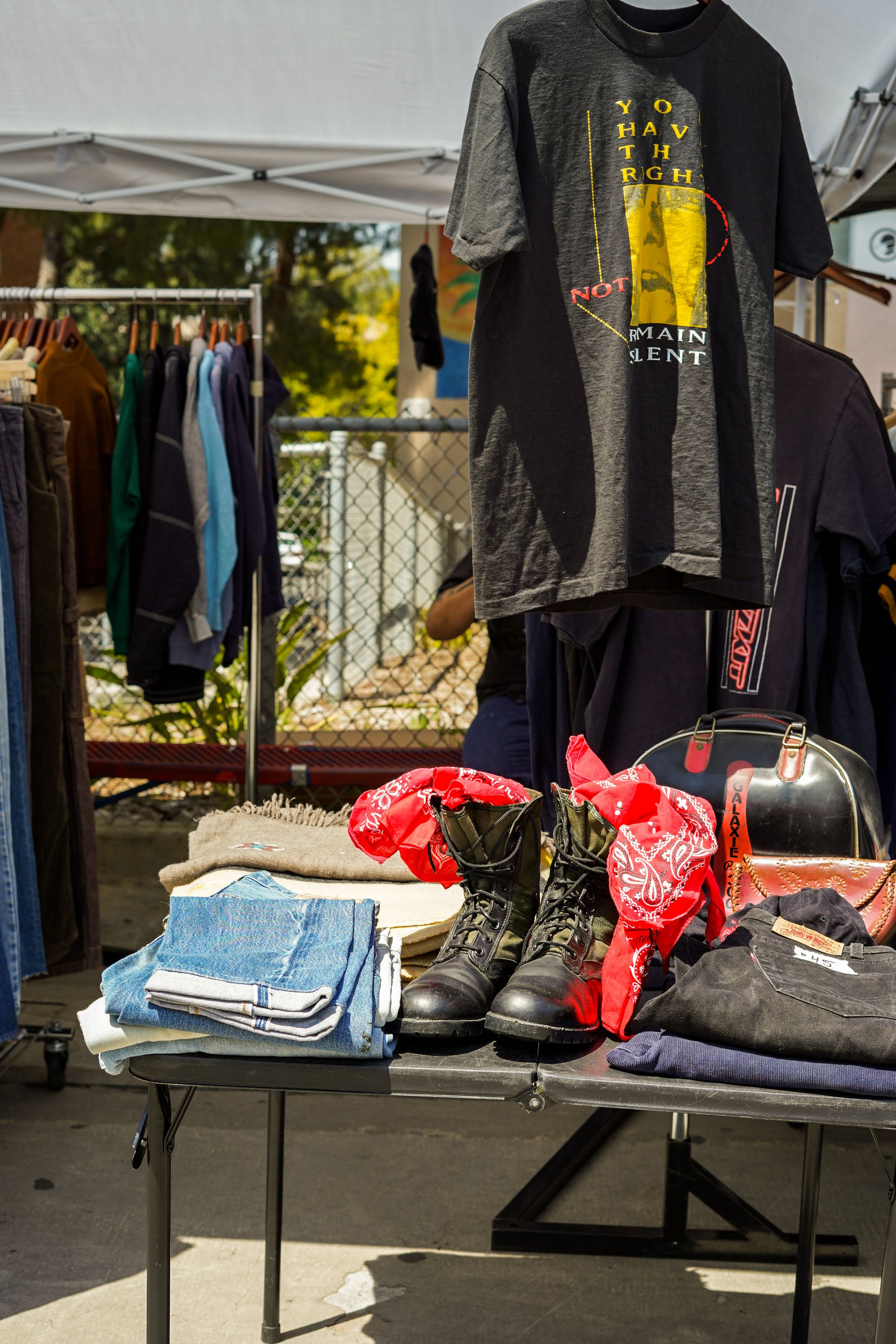
Dikdik Duds began in 2019 through a personal search for clothing that felt different from what was available everywhere else. Travelling across the UK, Europe and Asia, we spent time in independent boutiques, vintage stores and local markets looking for pieces we wanted to wear ourselves.
That approach still guides every collection today. We do not begin with a trend report or try to fill the store with as many products as possible. We look for pieces with character, strong proportions and enough everyday wearability to earn a place in the Dikdik Duds edit.
The silhouette
We look at the shape before anything else
A product can have the right colour, fabric or graphic and still feel wrong if the shape is not convincing. The silhouette is always the first test.
For trousers, that means checking the rise, room through the thigh, width through the leg and the way the hem falls over footwear. For tops and outerwear, we look at shoulder shape, body length and whether the piece works naturally with the relaxed lower-half proportions that define Dikdik Duds.
This is why the collection centres on baggy jeans, jorts, cargo trousers and relaxed layers that feel connected rather than randomly oversized.
The details
Character matters, but it still has to be wearable
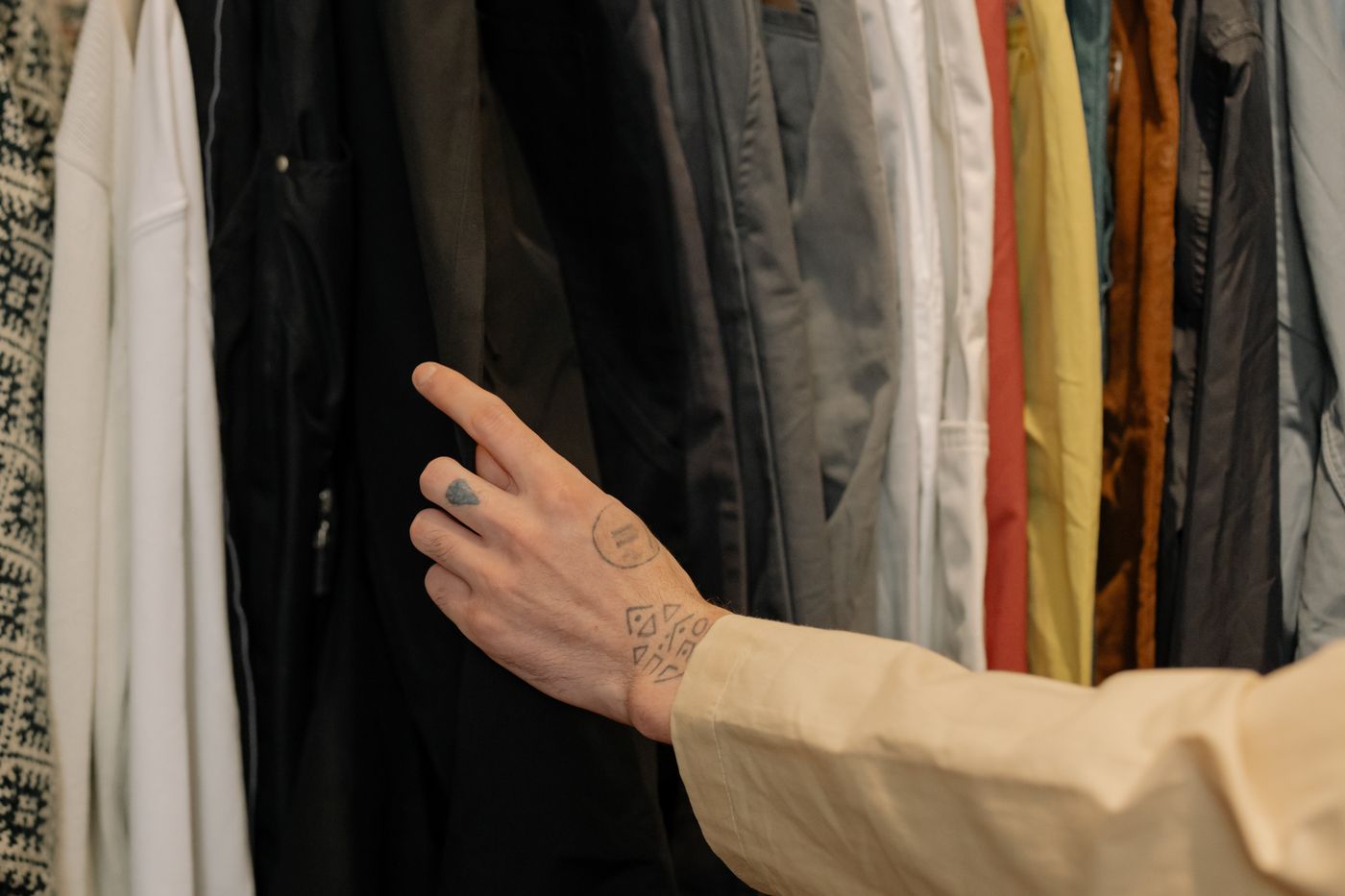
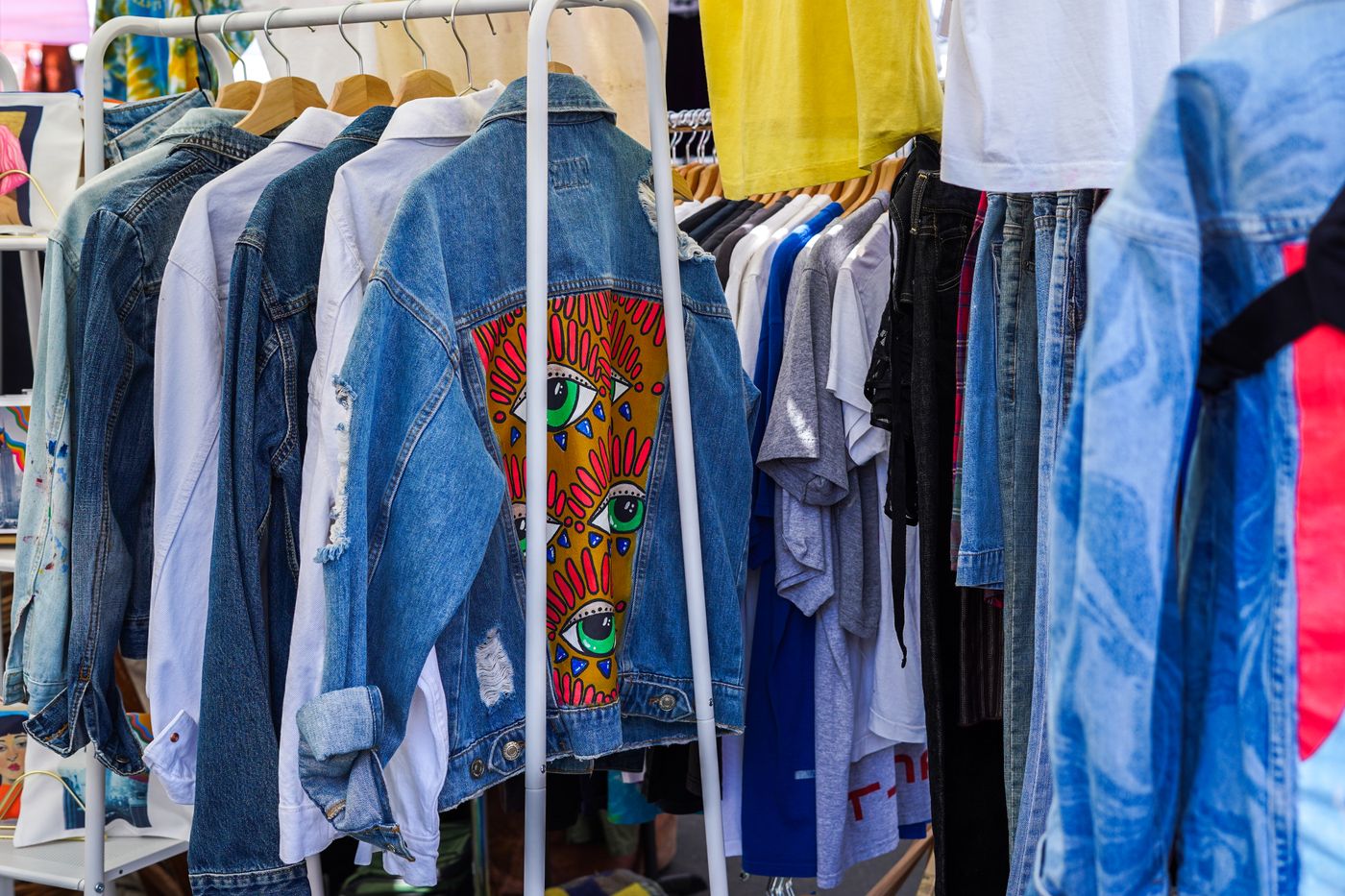
We are drawn to the details that make a piece memorable: an unusually wide leg, a faded wash, practical cargo pockets, contrast stitching, a strong graphic or an accessory shape that changes a simple outfit.
The detail still needs to work beyond one photograph. We ask whether the piece can be worn with several parts of the existing collection and whether it adds something genuinely new. The goal is individuality without turning the wardrobe into costume.
What every piece has to offer
A convincing fit
The proportions need to look intentional and feel comfortable in normal movement.
Individual character
There should be a clear reason to choose it over something found on every other site.
Everyday wearability
The piece should work with real outfits rather than only in a styled product photograph.
A place in the collection
It must complement what is already available while adding a fresh shape, colour or detail.
The relationships
The collection has grown through people, not endless catalogues
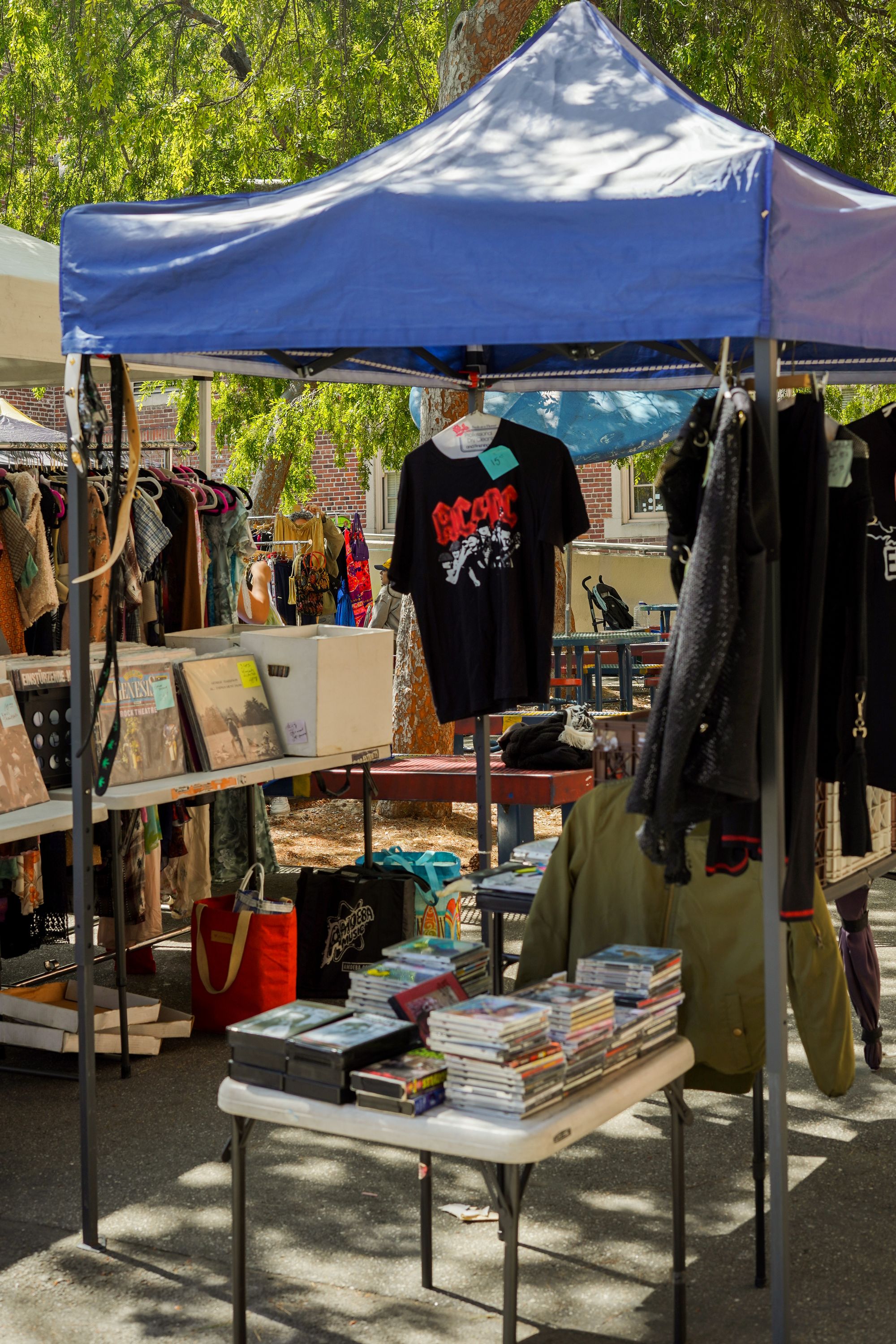
Over time, we have built relationships with independent sellers, boutique owners and local suppliers. Those relationships make it possible to keep discovering pieces that feel less predictable and to build a collection that continues to change rather than becoming fixed.
Some finds immediately make sense. Others take longer to judge. We compare them with the existing collection, think about how they would be styled and decide whether they represent the relaxed, vintage-inspired direction of Dikdik Duds clearly enough.
The final decision
We choose fewer pieces, then describe them honestly
Once a piece is selected, it is photographed and described so customers can understand what makes it worth considering. The fit, fabric, important details and styling direction should be clear before it arrives.
That honesty matters because the purpose of curation is not simply to reduce the number of products. It is to make the search easier. Instead of scrolling through endless marketplaces, customers can find a focused selection of baggy bottoms, vintage-inspired clothing and accessories brought together in one place.

