

Baggy jeans are easiest to style when the rest of the outfit gives their width somewhere to belong. The strongest looks balance volume, create one clear point of structure and let the denim remain the foundation rather than competing with it.
This guide breaks down seven reliable ways to style baggy jeans, from a clean T-shirt and trainers to oversized skatewear, visible belts, shorter jackets and more considered layered outfits. You can compare different wide-leg silhouettes in our Baggy Bliss collection as you read.
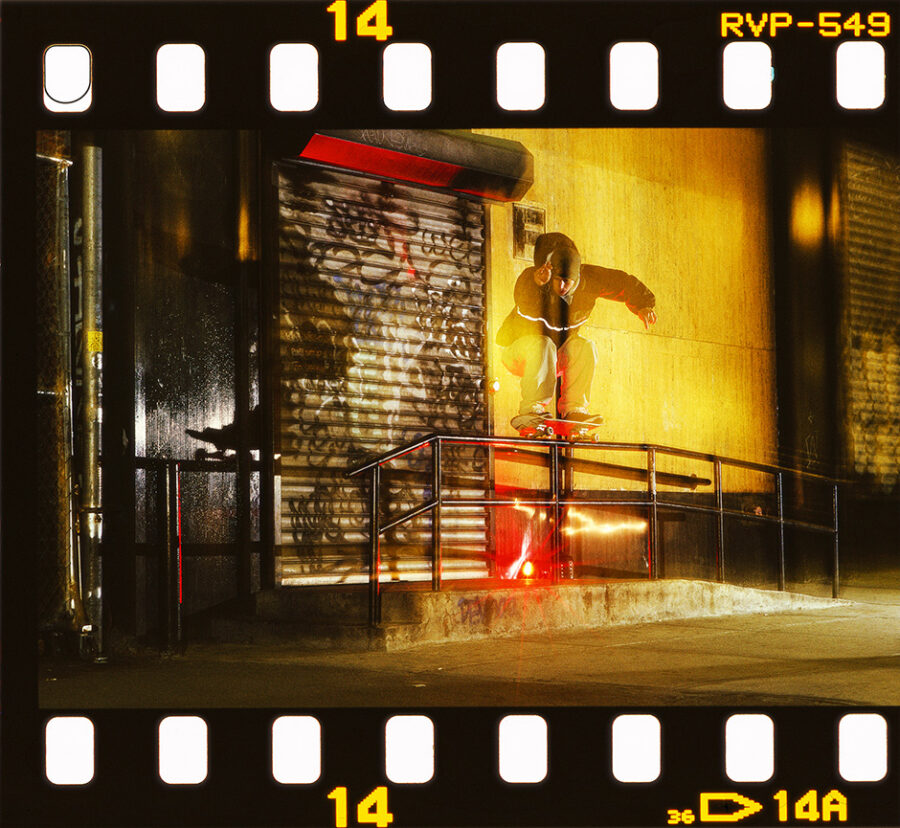
The Dikdik Test
Look at the outfit as a silhouette before looking at individual pieces. If you can clearly see where the upper half ends, where the jeans begin and how the hem meets the shoes, the proportions are usually working.
Why are baggy jeans sometimes difficult to style?
The jeans themselves are rarely the problem. Most awkward outfits happen because every other item is chosen without considering the additional width through the lower half.
Slim denim creates a relatively narrow base, so an ordinary T-shirt, jumper or jacket can sit above it without dramatically changing the silhouette. Baggy denim carries more visual weight. The leg is wider, the hem occupies more space around the shoes and the waistband can become an important part of the outfit.
That does not mean the top has to be fitted. Oversized-on-oversized styling has been part of skatewear for decades. What matters is creating a deliberate relationship between the pieces.
Let the denim create the main silhouette instead of trying to disguise how wide it is.
A waistband, shoulder line, jacket hem, belt or clean shoe can stop the outfit becoming shapeless.
The shoe should give the hem somewhere natural to fall without disappearing beneath the denim.
Start with proportion, not rules
There is no requirement to pair wide jeans with a small top. That contrast is one option, but it is only one of several useful proportions.
A fitted or shorter upper layer makes the denim feel wider. A relaxed T-shirt creates a softer transition between the upper and lower half. An oversized hoodie or jacket pushes the entire outfit towards skatewear, while a structured shirt or shorter outer layer can make the same jeans feel considerably cleaner.
The easiest way to decide is to choose what you want to dominate. If the denim is the main feature, keep the upper half relatively simple. If the jacket or graphic is the statement, let the jeans provide a quieter wide base underneath it.


Seven baggy-jean outfit formulas that work
Think of these as starting points rather than uniforms. Each formula establishes a useful proportion that can then be changed with colour, texture, graphics, accessories and different denim washes.
01 — Baggy jeans + clean T-shirt + trainers
This is the easiest place to start. A plain or lightly graphic T-shirt gives the denim room to carry the silhouette without leaving the outfit unfinished.
A regular or relaxed tee usually works better than one that is extremely long. Ideally, some separation remains between the body of the T-shirt and the widest part of the jeans.
Finish with trainers that are substantial enough for the hem to rest against. The result feels relaxed rather than deliberately styled, which is exactly why it works so consistently.
Explore T-shirts and shirts02 — Baggy jeans + fitted top + visible waistband
A closer top creates the strongest contrast with a wide leg. Because the upper half occupies less visual space, the denim immediately appears more pronounced.
This works particularly well with higher-rise jeans, cropped tops or pieces that finish close to the waistband. If the jeans sit lower, allowing a belt or waistband detail to remain visible can create the same separation.
Keep the footwear relatively simple if you want the denim itself to remain the focus.
Explore belts03 — Baggy jeans + oversized graphic T-shirt
This is one of the most recognisable skate-influenced combinations. The wider T-shirt continues the relaxed proportion above the waist instead of sharply contrasting it.
The key is length. An oversized tee that finishes around the upper hip still leaves enough of the jeans visible to understand their shape. If the top falls too far down the thigh, both pieces can merge into one block of fabric.
A graphic also gives the eye a focal point above the jeans, helping an intentionally oversized outfit feel composed.
Shop relaxed tops
04 — Baggy jeans + hoodie + skate shoes
For a heavier skatewear silhouette, pair the jeans with a relaxed hoodie and footwear with enough width and sole volume to support the hem.
The hoodie can be oversized, but watch the body length. A broad shoulder and slightly shorter body generally preserves more structure than a very long sweatshirt.
Allow the jeans to create a controlled stack over the shoes rather than completely swallowing them. A small amount of visible footwear gives the lower half a clear finishing point.
Explore jumpers and jackets05 — Baggy jeans + shorter jacket + simple layer
A shorter jacket is one of the easiest ways to make baggy denim look more deliberate. The jacket creates a clear horizontal line near the waistband, allowing the full width and length of the jeans to remain visible.
Bomber jackets, workwear jackets and structured overshirts can all create this effect. Wear a simple T-shirt or knit underneath so the layers remain easy to read.
This formula works especially well when you want relaxed denim without making the outfit feel completely skate-led.
Shop outer layers06 — Baggy jeans + shirt or knit + belt
Wide jeans do not need to look purely casual. A shirt, knitted polo, fine jumper or cleaner upper layer can sit against the denim and create a more considered streetwear outfit.
A visible belt helps because it gives the transition between the cleaner upper half and wider lower half a defined centre point.
Dark denim, faded indigo and relatively clean washes are particularly easy to use because the silhouette provides interest without needing excessive graphics or distressing.
Shop belts07 — Baggy jeans + Y2K accessories
For a stronger early-2000s direction, let accessories become part of the silhouette. A statement belt, sunglasses, cap or jewellery can add detail without changing the basic shape of the denim.
The important part is not using every possible reference at once. Choose one or two obvious details and allow the jeans to connect them.
A lower-sitting waistband, visible belt and compact upper layer creates a stronger Y2K proportion. A larger top and cap pushes the same jeans closer to skatewear.
Explore sunglassesHow much oversized clothing is too much?
There is nothing wrong with wearing a large top over large jeans. The mistake is assuming that oversized automatically means every item should become longer and wider at the same time.
Successful oversized outfits usually still contain contrast. A hoodie might be wide through the shoulders but finish relatively high. An oversized T-shirt might be long while the waistband remains partly visible from the side. Very wide jeans might be paired with a jacket that holds a firm shape.
The aim is not to make everything smaller. It is to make the volume look intentional.
An oversized outfit is balanced when:
- You can still identify the shape of the jeans.
- The shoulders, waistband or outer-layer hem creates some structure.
- The top does not completely hide the rise and upper leg from every angle.
- The footwear remains substantial enough to finish the lower silhouette.
Should your top be tucked in?
It does not have to be. Tucking simply changes how much of the waistband is visible and therefore how strongly the upper and lower halves are separated.
A full tuck works particularly well with a cleaner shirt or fitted top. A small front tuck can introduce just enough waistband definition beneath a relaxed T-shirt. Leaving the top fully untucked gives a softer streetwear silhouette.
If the top is very long, even a small amount of waistband visibility can make a surprising difference. The purpose is not to create a formal tucked-in look; it is to stop the denim disappearing beneath the upper layer.
How to use a belt with baggy jeans
A belt can be practical, decorative or both. With baggy jeans, it is particularly useful because the waistband often sits at the visual centre of the outfit.
Simple black or brown belts create quiet definition. Studded, patterned or larger-buckle styles make the waist a deliberate feature and naturally move the outfit towards Y2K or skate-inspired styling.
The belt should not need to gather a dramatically oversized waistband into heavy folds. If it does, the jeans themselves are probably too large through the waist rather than simply baggy through the leg.
Use the waistband as part of the outfit
A belt can create the small point of structure that allows a much wider leg to feel deliberate.
Which shoes work best with baggy jeans?
The wider and longer the jeans, the more important the scale of the footwear becomes. A large hem needs something underneath it to create a stopping point.
Skate shoes, retro runners and other substantial trainers are the easiest options because the denim can rest naturally against their upper and sole. Smaller trainers can still work, particularly with jeans that have a cleaner hem or less extreme width.
What matters most is whether the shoe remains recognisable. If almost the entire shoe disappears and the hem drags beneath the heel, the jeans are either too long or the footwear is too slight for that particular silhouette.

The three checks before you leave the house
Rather than judging every item separately, use these three quick checks on the complete outfit.
01 Can you still see the shape of the jeans?
The rise, width or line of the leg should remain readable. If the entire upper half covers the jeans to mid-thigh, try shortening or adjusting one layer.
Compare baggy denim silhouettes02 Is there one clear point of structure?
Look for a defined shoulder, visible waistband, belt, jacket hem or clean upper layer. You only need one element to stop wider pieces merging together.
Explore belts03 Do the shoes finish the silhouette?
The hem should interact with the footwear rather than completely burying it or ending unexpectedly above it.
Explore shoesCommon baggy-jean styling mistakes
Trying to hide the width
Baggy jeans are supposed to create volume. Building the outfit around that width usually looks stronger than trying to make the denim appear slimmer.
Making every layer equally long
A long T-shirt, long hoodie and long jacket can erase the transition into the jeans. Vary the lengths even when every piece remains relaxed.
Ignoring the waistband
The waistband is one of the easiest places to create definition. A small amount of visible denim or a simple belt can organise the whole outfit.
Choosing footwear separately
Shoes affect where the denim finishes and how much it stacks. Always judge the jeans with the shoes you actually intend to wear.
Adding too many statement pieces
Wide denim already has presence. A loud top, statement jacket, large belt and multiple accessories can make every element compete instead of supporting one another.
How colour changes the outfit
Blue denim is the easiest starting point because it behaves almost like a neutral. White, black, grey, cream, faded colours and earth tones all sit comfortably beside it.
Light-wash jeans naturally feel softer and more casual, particularly with white or washed tops. Dark indigo and black denim can carry cleaner shirts, knitwear and structured outerwear without losing the relaxed silhouette.
If the jeans contain heavy fading, embroidery, contrast stitching or unusual panels, treat those details as part of the colour palette. Pulling one smaller colour from the denim into the top, hat or footwear can make the outfit feel connected without looking overly coordinated.
What about jackets and layering?
Outerwear changes the proportion more dramatically than almost anything else because it adds both width and a new horizontal finishing point.
A shorter bomber or workwear jacket exposes more of the jeans and makes the lower half appear longer. A relaxed overshirt creates a softer everyday proportion. A large hoodie or longer jacket produces a heavier skatewear shape.
When layering multiple pieces, make each hem visible where possible. A T-shirt extending slightly beneath a shorter sweatshirt or jacket creates deliberate separation and stops the upper half looking like one large block.
How to make baggy jeans feel like your own
The seven formulas work because they solve proportion, not because there is one correct way to dress. Once the silhouette feels right, smaller details are what make the outfit personal.
A simple pair of faded jeans can move between a plain tee, graphic streetwear, a structured overshirt or a Y2K-inspired outfit simply by changing the pieces around them.
Accessories are particularly useful because they change the direction without requiring a completely different wardrobe. Sunglasses, hats, belts and jewellery can push an otherwise simple denim outfit towards a specific era or influence.
When building an outfit, choose one:
- A strong top or graphic.
- A visible belt or waistband detail.
- A statement outer layer.
- Distinctive footwear.
- A small group of accessories.
You can combine more than one, but starting with a single focal point keeps the wider denim from becoming part of an outfit where everything is competing for attention.
Shop the guide
Build the baggy-jean outfit
Frequently asked questions
What tops look best with baggy jeans?
Plain and graphic T-shirts, fitted tops, hoodies, overshirts, knitwear and shorter jackets can all work. The strongest choice depends on whether you want contrast against the wide leg or a fully relaxed silhouette.
Can you wear an oversized top with baggy jeans?
Yes. Oversized-on-oversized styling works particularly well for skatewear. Keep some structure through the shoulders, waistband, top length or footwear so the pieces remain visually separate.
Should you tuck a shirt into baggy jeans?
You do not have to. A full or partial tuck simply exposes more of the waistband and creates clearer separation between the upper and lower half. Untucked tops create a softer, more relaxed silhouette.
What shoes should you wear with baggy jeans?
Skate shoes, retro runners and other substantial trainers are particularly easy to balance with wider hems. Smaller footwear can also work when the jeans are slightly shorter or less extreme in width.
Do baggy jeans need a belt?
No. The waistband should already fit securely. A belt is useful for small adjustments, visual definition and adding detail to outfits where the waistband remains visible.
How do you make baggy jeans look less sloppy?
Create one deliberate point of structure. A clean shoulder line, visible waistband, belt, shorter jacket or well-balanced footwear is often enough to make a wide outfit feel intentional.
Can shorter people wear baggy jeans?
Yes. Height does not prevent wider denim from working. Pay more attention to trouser length, where the upper layer finishes and whether the footwear provides a clean stopping point for the hem.
Final thoughts
Let the jeans create the shape, then build around them
The easiest way to style baggy jeans is to stop treating their width as something that needs correcting. Let the denim establish the lower silhouette, then decide whether the upper half should contrast it or continue it.
A clean T-shirt, fitted top, oversized graphic tee, hoodie, shorter jacket, smarter layer or a few Y2K-inspired details can all work. The common thread is proportion: one clear point of structure, footwear that supports the hem and enough space for the jeans to remain visible.
Explore Baggy Bliss

