

Technology, celebrity and a new millennium
The Rise of Y2K Fashion
How low-rise denim, metallic finishes, tiny accessories and internet-era optimism created one of fashion’s most recognisable—and most misunderstood—aesthetics.
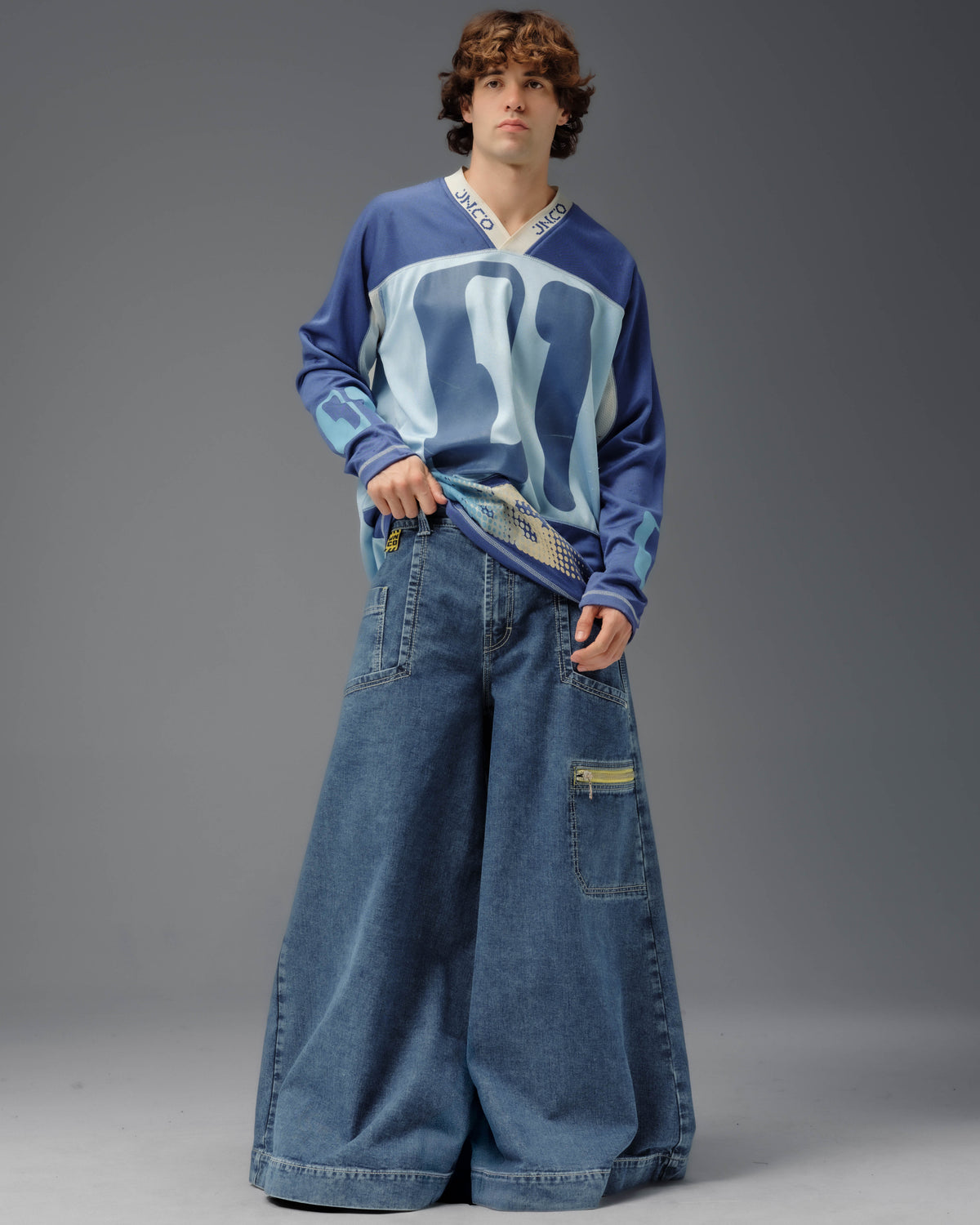
Y2K fashion was not one single look. It was a collision of internet optimism, celebrity culture, futuristic design, streetwear, pop music and the belief that the new millennium should look completely different from everything that came before it.
The term “Y2K” originally referred to the fear that computer systems would fail when the date changed from 1999 to 2000. Fashion transformed that anxiety into an aesthetic: shiny surfaces, digital colour, technical fabrics and clothing that felt made for an imagined future.
At the same time, denim became lower, wider and more decorated, accessories became smaller and more visible, and celebrity images travelled faster through television, magazines and the early internet. The result was an era that looked playful, excessive and unmistakably new.
Seven chapters tracing how late-1990s futurism became a worldwide fashion language.
The Build-Up
Before Y2K had a name
The aesthetic now described as Y2K did not begin on 1 January 2000. Its foundations were already visible throughout the second half of the 1990s, when fashion was moving in several directions at once.
Minimal slip dresses, sportswear, rave clothing, cyber-inspired graphics, oversized skatewear and highly polished pop styling existed beside one another. Designers and stylists were increasingly interested in synthetic shine, transparent materials and silhouettes that looked as though they belonged in music videos, computer games or science-fiction films.
Technology also changed how the future was imagined. Personal computers, mobile phones, compact digital cameras and the expanding internet made digital life feel immediate. Fashion responded by borrowing the visual language of machines: silver, chrome, mesh, plastic, technical nylon and colours that resembled screens or electronic interfaces.
The original meaning
Y2K began as a computer problem
The abbreviation referred to fears that older computer systems could misread the year 2000 as 1900. Although widespread disruption was largely avoided, the phrase became permanently associated with the technological anxiety and anticipation surrounding the new millennium.
The Future
Millennium futurism changed the surface of fashion
As the year 2000 approached, designers, musicians and advertisers treated the future as something that should be visible. Metallic fabrics, glossy finishes and translucent plastics appeared across clothing, footwear, jewellery and accessories.
The futuristic mood was often optimistic rather than severe. Baby blue, silver, white, acid green and glossy pink appeared beside black technical fabrics. Tops became smaller and more fitted, while trousers could be low-rise, flared, cargo-shaped or dramatically oversized.
This contrast became central to the era. A tiny top could be paired with wide denim. A clean monochrome outfit could be disrupted by coloured sunglasses, a metallic bag or oversized jewellery. Y2K fashion rarely depended on perfect balance. It depended on visual impact.
Archive observation
The era’s most recognisable outfits often combined two opposing ideas: something minimal and body-conscious above the waist, with something wider, heavier or more decorated below it.

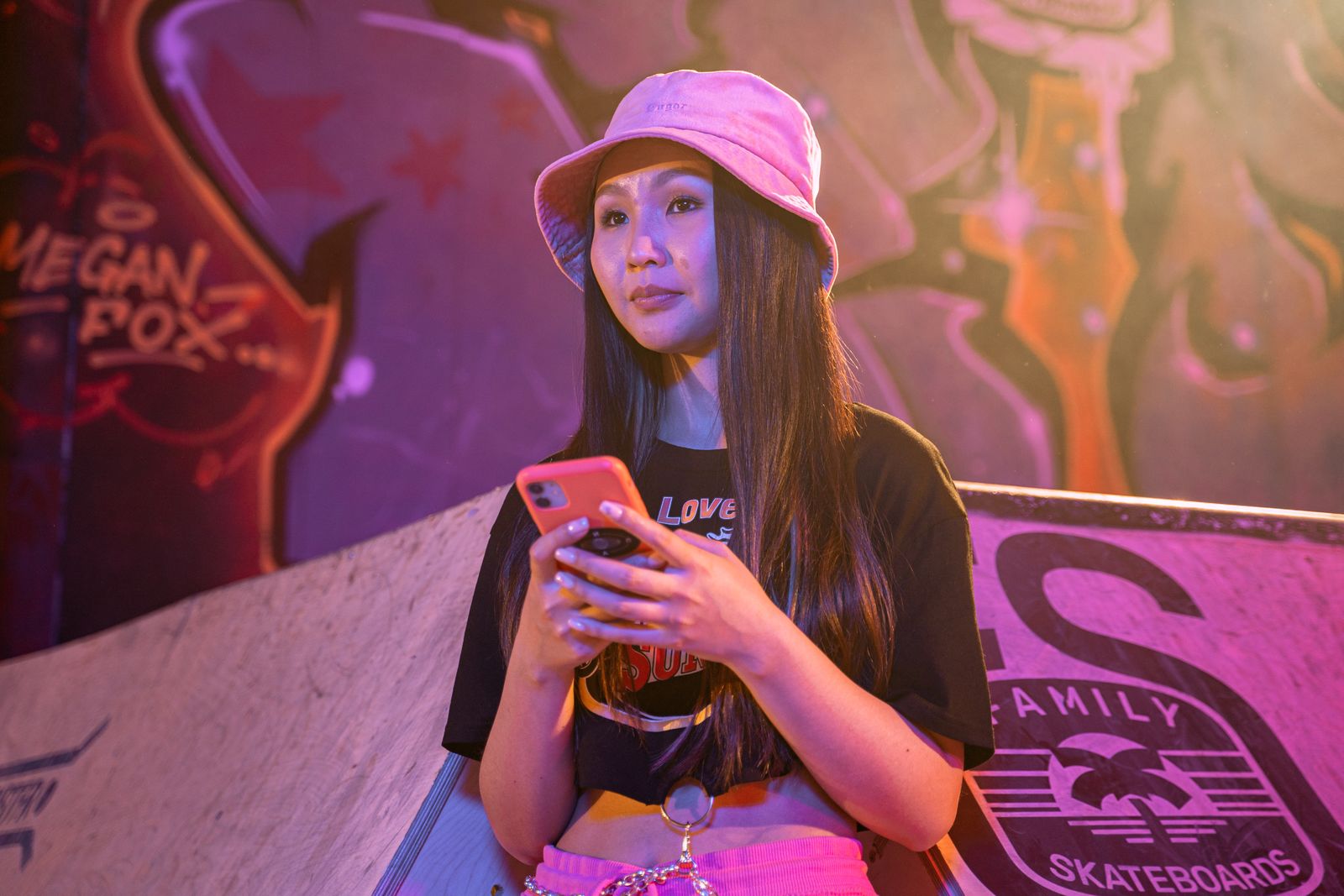
Wraparound eyewear, oversized tops, graphic layers and graffiti references show how hip-hop and streetwear shaped the darker side of Y2K style. Photography: Illia Horokhovsky / Unsplash and ANTONI SHKRABA production / Pexels.
The Image
Celebrity culture accelerated everything
Y2K fashion spread through an image machine that was becoming faster and more global. Music television, celebrity magazines, red-carpet photography and advertising placed the same outfits in front of millions of people.
Pop stars, R&B artists, rappers, actors and reality television personalities became style references. Their clothing was studied in music videos, airport photographs, performances and candid street images. An outfit no longer needed to appear in a traditional fashion campaign to influence what people bought.
This visibility helped turn specific pieces into cultural shorthand: velour tracksuits, tiny shoulder bags, tinted sunglasses, cropped tops, logo belts, trucker caps and low-rise denim. The effect was cumulative. Each photograph reinforced the idea that these details belonged to the modern world.
Repeated videos placed styling, choreography and clothing in front of a global youth audience.
Weekly celebrity images turned off-duty outfits into accessible fashion references.
Images travelled beyond their original publication and remained available to new communities.
The Silhouette
Denim moved lower, wider and louder
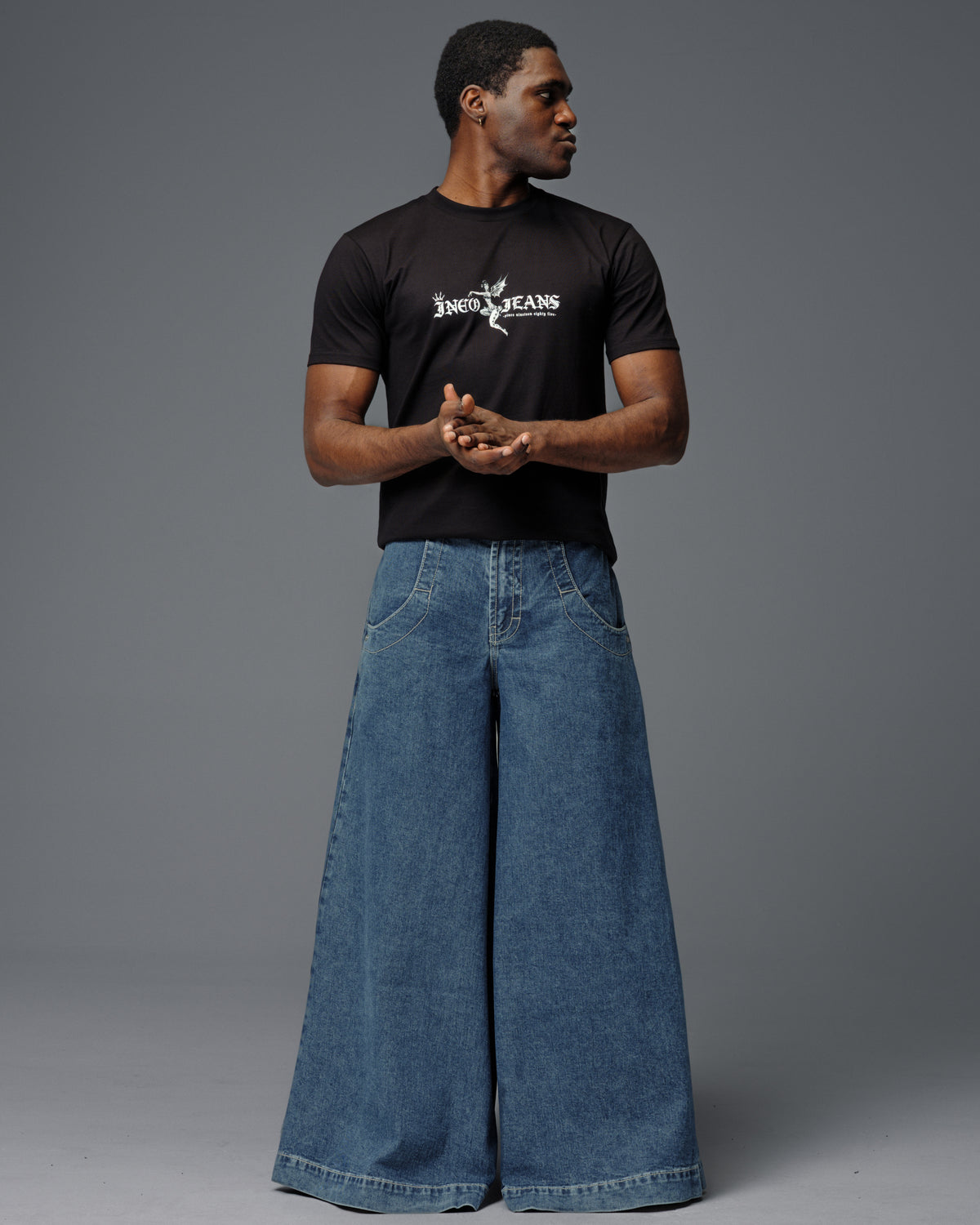
Denim was one of the defining materials of the decade, but there was no single Y2K jean. Low-rise flares, bootcut jeans, wide skate cuts, carpenter styles and ultra-baggy silhouettes all existed within the same period.
What connected them was the way they changed the body’s proportions. Low rises lengthened the torso and placed visual attention around the waist. Long inseams created stacking at the ankle. Wide cuts made footwear look heavier, while fitted or cropped tops exaggerated the contrast above.
Decoration also became more visible. Contrast stitching, embroidered pockets, distressed washes, rhinestones, appliqué, printed graphics and oversized branding turned denim into the central object of the outfit.
The history of these wider silhouettes is explored in our Vintage Archive feature The History of Baggy Jeans. For current relaxed fits, explore the Baggy Bliss collection.
How Y2K moved from late-1990s futurism into a complete fashion language.
Digital futurism appears
Silver finishes, technical materials and computer-inspired imagery enter fashion and popular culture.
The millennium becomes a look
Fashion combines glossy colour, small tops, low rises and accessories that feel visibly new.
Celebrity style goes global
Music television, magazines and early internet culture rapidly spread recognisable outfits.
A new generation revives it
Vintage resale and social platforms return Y2K clothing to the centre of fashion.
The Details
Accessories became the message
Y2K accessories were rarely background details. They were often the fastest way to make an ordinary outfit feel connected to the era.
Tinted and wraparound sunglasses referenced sportswear and digital futurism. Small shoulder bags created a sharp contrast against oversized jackets or wide trousers. Visible belts drew attention to low-rise waistlines, while layered jewellery added metallic shine.
Caps, trucker hats and beanies connected pop fashion with skatewear and street style. Explore current versions through our Hats & Caps collection.
The popularity of these objects explains why Y2K style can still be introduced without recreating a complete early-2000s outfit. One pair of tinted glasses, a statement belt or a compact shoulder bag can shift the reference immediately.
The Reaction
Why the original Y2K look faded
Fashion rarely abandons an era all at once. Y2K’s decline happened through gradual reaction. The most visibly futuristic details began to feel familiar, and newer movements offered a different kind of modernity.
Indie style, darker palettes, slimmer denim and more restrained accessories gained influence. Skinny jeans replaced many wider and flared silhouettes, while oversized branding and highly decorated denim became associated with a period that had just ended.
The technology that once appeared futuristic also became ordinary. Mobile phones became smaller and then smarter. Digital cameras lost their novelty. Metallic surfaces and translucent plastics no longer carried the same promise of an unknown future.
Yet many Y2K pieces remained in wardrobes, resale shops and online archives. Their temporary loss of status made them easier for a later generation to rediscover without the original cultural baggage.
The Return
Why Y2K fashion came back
The revival developed through vintage resale, social media archives and a generational shift away from the silhouettes that had dominated the 2010s.
For younger wearers, early-2000s clothing often appeared unfamiliar enough to feel new. Low rises, flares, baggy jeans and tiny accessories offered an alternative to the high-waisted denim and minimal styling that had become conventional.
The return was selective. Modern Y2K fashion does not reproduce every detail from the original era. It often combines one or two recognisable references with contemporary proportions: a baby tee with baggy jeans, a metallic bag with a simple outfit, or tinted glasses with a clean oversized jacket.
That flexibility has allowed the aesthetic to move beyond novelty. It now overlaps with skatewear, vintage fashion, festival style, pop styling and everyday streetwear.
Then and now
The revival is an edit, not a perfect copy
The strongest modern interpretations keep Y2K’s confidence and contrast while leaving behind the idea that an outfit must reproduce every historical detail at once.
What defines Y2K fashion today?
Y2K fashion today is less about one exact uniform and more about a recognisable collection of proportions, materials and accessories.
Common references include wide or low-rise denim, fitted tops, cargo details, metallic surfaces, tinted sunglasses, visible belts and compact bags. Colour can be playful and synthetic, but darker skate-inspired versions of the aesthetic are equally authentic.
The easiest way to wear the look is to choose one strong reference and build around it. A pair of relaxed jeans can be balanced with a fitted top. A simple outfit can be shifted through a statement belt, jewellery or tinted glasses. The reference should feel intentional rather than crowded.
Denim-led Y2K
Start with wide, flared or low-rise denim, then keep the remaining pieces cleaner so the silhouette remains the focus.
Sporty Y2K
Combine track jackets, fitted zip tops, technical fabrics and tinted eyewear with relaxed bottoms.
Pop Y2K
Use brighter colour, metallic finishes, smaller bags and visible jewellery for a more playful early-2000s reference.
Skate-influenced Y2K
Choose wide denim, graphic T-shirts, hoodies and substantial trainers, then add one era-specific accessory.
How to make Y2K references feel current
The strongest outfits avoid treating the era as costume. Instead of combining every recognisable Y2K detail, choose a clear focal point and allow the rest of the outfit to support it.
Wide denim works naturally with fitted or cropped T-shirts and shirts. A visible belt can define the waist without requiring an extremely low rise. Tinted sunglasses or simple jewellery can carry the reference without overwhelming the silhouette.
Proportion matters more than historical accuracy. Modern outfits can use higher rises, cleaner washes and less exaggerated accessories while keeping the era’s central contrast between fitted and oversized shapes.
Build a Y2K-inspired outfit around pieces you would genuinely wear
Start with relaxed denim, then add one accessory or fitted layer that introduces the early-2000s reference.
Frequently asked questions
What does Y2K mean in fashion?
In fashion, Y2K describes styles associated with the late 1990s and early 2000s, particularly clothing influenced by digital futurism, pop culture, low-rise silhouettes, metallic finishes and highly visible accessories.
When did Y2K fashion begin?
Its foundations appeared during the mid and late 1990s, before the aesthetic became more established around the year 2000 and the first years of the new millennium.
What clothes are associated with Y2K fashion?
Common pieces include low-rise or wide denim, flares, cargo trousers, fitted zip tops, baby tees, tracksuits, metallic fabrics, small shoulder bags, visible belts and tinted sunglasses.
Was all Y2K fashion tight-fitting?
No. The era included body-conscious pop styling, but also oversized hip-hop clothing, skatewear, wide denim, cargo trousers and relaxed sportswear. The contrast between fitted and oversized pieces was one of its defining features.
Why did Y2K fashion return?
Vintage resale, social media archives and changing denim silhouettes helped a younger generation rediscover the era. Its playful materials and exaggerated proportions also offered an alternative to 2010s minimalism.
How can you wear Y2K fashion without looking like a costume?
Use one or two references at a time. Combine relaxed denim with a fitted top, or add tinted sunglasses, a visible belt or a compact bag to an otherwise simple outfit.
Are baggy jeans part of Y2K fashion?
Yes. Wide and oversized denim were central to Y2K skatewear, hip-hop fashion and street style, although the era also included low-rise flares and bootcut jeans.
Archive notes
Research and further reading
This feature draws on the Fashion History Timeline’s overview of 2000–2009 fashion, the Victoria and Albert Museum’s description of Y2K style, and the Smithsonian’s history of the original Year 2000 computer problem. Together, these sources show how denim, technology, celebrity culture and futurist design shaped the era.
The Archive Verdict
Y2K fashion was never simply nostalgia for the year 2000.
It was a response to a moment when technology felt exciting, uncertain and newly visible. Fashion translated that feeling into metallic surfaces, altered proportions, highly recognisable accessories and clothing designed for an image-driven culture.
Its return makes sense because the era offers more than one look. Y2K can be playful, minimal, sporty, oversized or highly decorated. What survives is its confidence: the belief that clothing should announce the future before the future fully arrives.
Explore Baggy Bliss

