

The Brands That Defined 90s Skatewear
Before skate style became global fashion, a loose network of board companies, shoe labels, artists and independent teams built its visual language from the pavement up.
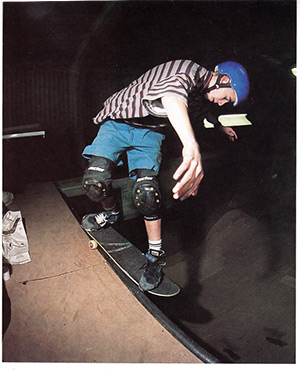
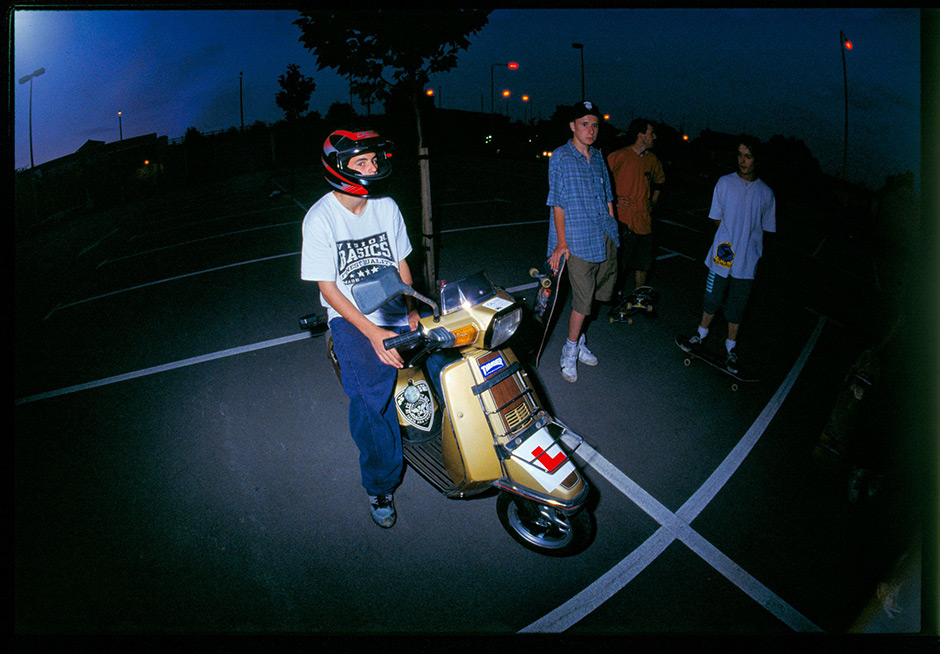
Photography: Tim Leighton-Boyce / archive via Slam City Skates.
The skatewear of the 1990s was never designed as a single look. It emerged from repetition: hours spent pushing through city streets, shoes worn through at the toe, trousers chosen for movement and T-shirts printed by companies that often felt closer to art collectives than conventional clothing labels.
As street skating displaced the spectacle of the vert ramp, the clothes changed with it. Shapes became wider. Shoes became more technical. Graphics became stranger, funnier and more confrontational. The era’s most influential brands did not simply sponsor skaters; they made videos, invented characters, shaped music taste and gave young scenes a visual identity of their own.
What followed still sits beneath modern streetwear. The current return of baggy denim , long jorts , cargo trousers , oversized graphics and substantial skate shoes is not a detached revival. It is another chapter in a language established during skateboarding’s most restless decade.
Skatewear became influential because it was lived in before it was ever styled.
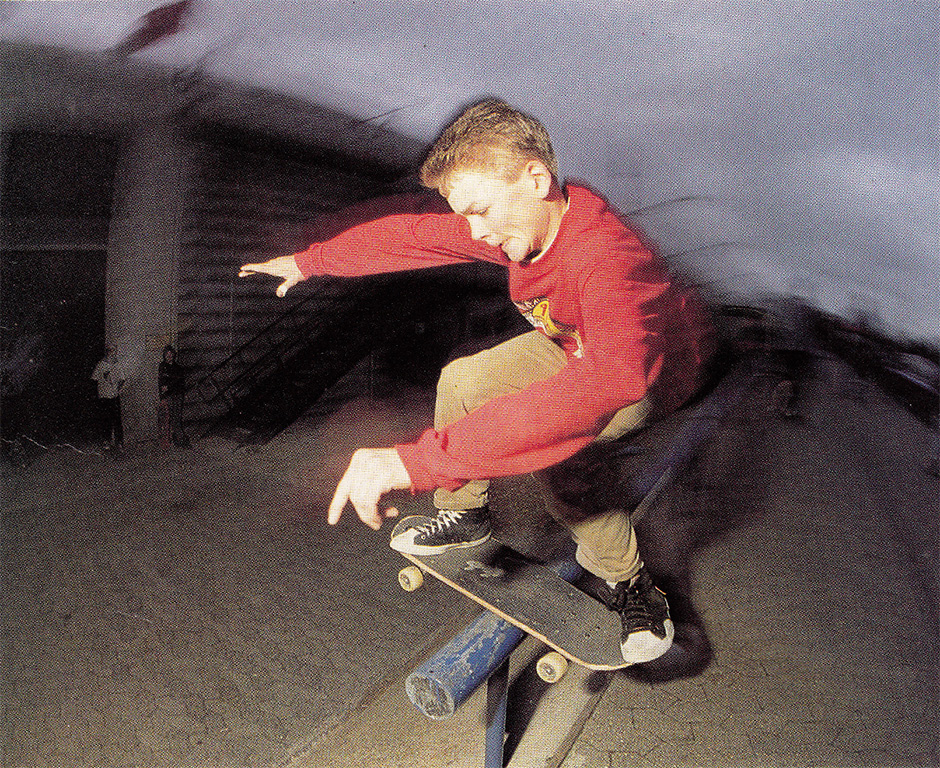
A decade in motion
World Industries breaks rank
Steve Rocco’s company turns provocation, rider control and irreverent advertising into a business model.
Alien Workshop leaves California
A new company in Dayton, Ohio proves that influential skate culture can grow far from the industry’s established centre.
Video Days rewrites the video
Blind and Spike Jonze create a film whose style, pacing and personalities outlive the products around it.
The Half Cab arrives
Vans formalises a street-made modification after skaters cut down Steve Caballero’s high-top shoe.
Toy Machine begins
Ed Templeton gives a new company an immediately recognisable world of monsters, outsiders and hand-drawn graphics.
DC and éS sharpen footwear
Technical cupsoles, padded tongues and team-led design become central to the decade’s increasingly substantial skate shoe.
Zero turns darker
Jamie Thomas develops a stark identity around black, red, heavy music and uncompromising street skating.
The silhouette reaches full volume
Wide denim, long shorts, oversized tees and bold footwear move from skate scenes into wider youth culture.
The board companies became media companies
A nineties skateboard brand could not rely on a logo alone. Its identity travelled through board graphics, mail-order catalogues, magazine adverts and—most importantly—video. A strong team was not merely a collection of sponsored riders. It was a cast, each person adding movement, attitude and personal style to the same imagined world.
The best companies understood that a video part could define how a generation dressed. A low-slung pair of jeans, a striped shirt or a particular shoe could become inseparable from a rider’s section. Clothes gained meaning through repetition on screen.


World Industries, Blind and the art of disruption
- Founded
- Late 1980s
- Country
- United States
- Known for
- Provocative graphics, videos and independent attitude
- Legacy
- Made irreverence commercially powerful
World Industries
World Industries treated the established skate industry as material to be mocked, challenged and outmanoeuvred. Its adverts were confrontational, its graphics deliberately difficult to ignore and its approach gave riders and artists unusual influence over the company’s identity.
Later characters such as Flame Boy and Wet Willy pushed its graphics into bedrooms, school bags and shopping centres. That wider visibility sometimes obscures how radical the company’s early model was: skateboarding could build its own institutions instead of waiting to be accepted by existing ones.
- Founded
- 1989
- Country
- United States
- Known for
- Video Days , the Reaper and a landmark early team
- Legacy
- Turned skate video into lasting culture
Blind
Mark Gonzales formed Blind under the World Industries umbrella, and the company’s name itself carried the era’s instinct for jokes with an edge. Its defining achievement was not a single garment or deck. It was the complete atmosphere of Video Days .
Directed by Spike Jonze and released in 1991, the film made personality inseparable from progression. Loose denim and unforced layering did not appear as costume; they appeared as the ordinary uniform of people changing street skating in real time.
The golden era finds its visual language.
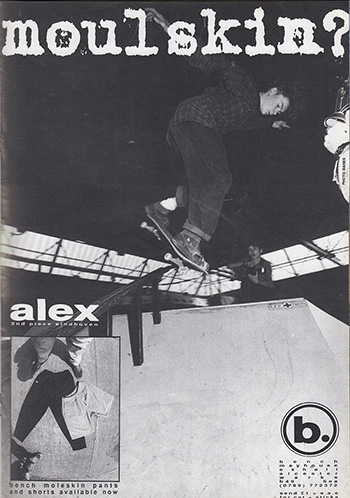
Alien Workshop, Toy Machine, Zero and Element
- Founded
- 1990
- Country
- United States
- Known for
- Midwestern identity, experimental film and graphic design
- Legacy
- Proved skate culture did not need to look Californian
Alien Workshop
Alien Workshop emerged from Dayton, Ohio, at a moment when the industry’s centre of gravity still sat firmly in California. Its distance became an advantage. Grainy photography, surveillance motifs, unexplained symbols and an almost scientific coldness made the Workshop feel transmitted from somewhere else.
The brand’s design was quieter than World Industries but no less distinctive. It demonstrated that mystery could be as powerful as confrontation, and its influence remains visible in contemporary labels that build worlds through restrained graphics, art direction and film.
- Founded
- 1993
- Country
- United States
- Known for
- Ed Templeton’s monsters and hand-drawn visual universe
- Legacy
- Joined fine-art instinct with raw skate energy
Toy Machine
Ed Templeton gave Toy Machine an identity that looked handmade because it was. The monsters, eyes and anxious figures across its boards and clothing belonged to one recognisable visual family. They were funny, uncomfortable and instantly readable.
Welcome to Hell strengthened that identity with hard skating and a title that felt perfectly matched to the company’s drawings. Toy Machine showed how a founder’s artistic voice could remain visible even as a brand grew.
- Founded
- 1996
- Country
- United States
- Known for
- Black-and-red graphics, skull imagery and heavy street skating
- Legacy
- Defined skateboarding’s darker late-nineties edge
Zero
Zero arrived with a stripped-back palette and a much heavier emotional register. Jamie Thomas shaped a company whose skull graphics, music choices and punishing approach to gaps and rails felt inseparable.
Its influence sits beyond logos. Zero helped establish a form of complete brand coherence: team, soundtrack, clothing and photography all reinforcing the same mood. Modern streetwear still relies on this kind of tightly controlled visual world.
- Founded
- 1992
- Country
- United States
- Known for
- Tree logo, nature-led symbolism and broad lifestyle appeal
- Legacy
- Expanded skate identity without abandoning its roots
Element
Originally launched as Underworld Element, the company found lasting clarity in its tree mark and elemental symbolism. At a time when many skate brands leaned towards shock, Element offered a different kind of aspiration: grounded, natural and expansive.
That visual accessibility helped the company travel far beyond core skate shops. Its success anticipated the way modern skate brands could operate across decks, clothing and wider lifestyle categories without completely dissolving their origins.
A powerful skate brand did not sell a product first. It sold a way of seeing.
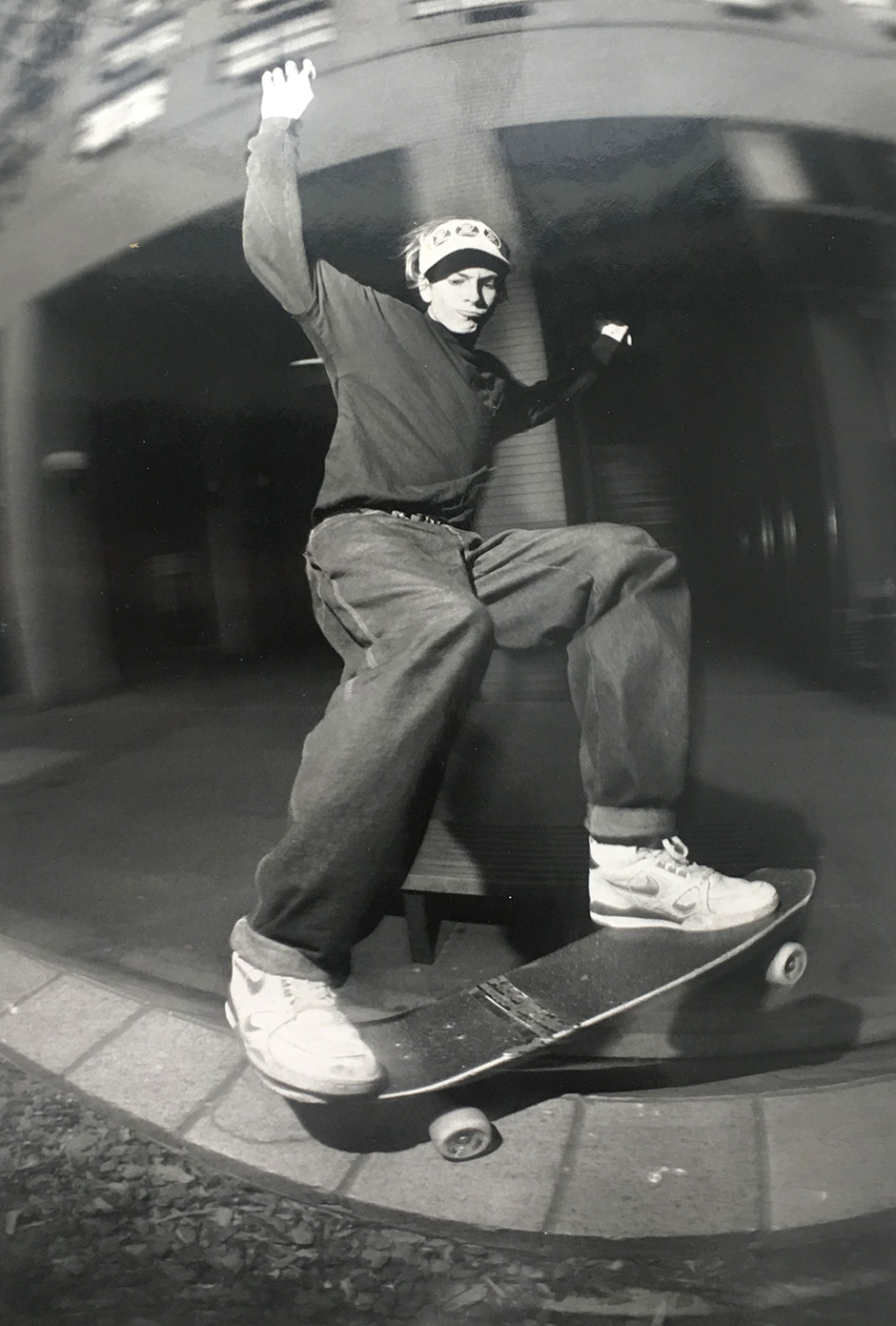
Footwear became bigger, smarter and unmistakably skate
The decade’s shoes carried an impossible brief. They needed grip, boardfeel and durability, but they also had to absorb repeated impact. As street skating became more technical and stair sets grew larger, footwear brands developed thicker tongues, reinforced panels, cupsoles and more substantial proportions.
Those practical decisions created one of the era’s clearest visual signatures. The shoe no longer disappeared beneath the trouser. It anchored the entire silhouette.
Vans, Airwalk, etnies, éS and DC Shoes
- Founded
- 1966
- Country
- United States
- Known for
- Vulcanised soles, Old Skool and Half Cab
- Legacy
- Connected skate utility with enduring everyday style
Vans
Vans entered the nineties with decades of Southern California history, but the Half Cab captured the new street era perfectly. Skaters had already begun cutting the collar from Steve Caballero’s high-top. In 1992, Vans turned that improvised modification into an official mid-top model.
It remains a rare design whose origin story explains its longevity: the culture altered the product first. Vans listened afterwards.
- Founded
- 1986
- Country
- United States
- Known for
- Bold shoes, memorable advertising and crossover reach
- Legacy
- Helped skate footwear enter mainstream youth culture
Airwalk
Airwalk’s nineties presence was larger than any one model. The company combined skate credibility with campaigns that could hold their own beside major sportswear advertising. Its shoes were broad, visible and often brightly detailed.
The brand demonstrated both the opportunity and the risk of crossover. Skate footwear could become a mass-market phenomenon, but rapid expansion could also loosen the connection that made it desirable in the first place.
- Founded
- 1986
- Origin
- France, later developed in California
- Known for
- Skater-led design and early professional shoe models
- Legacy
- Helped establish skateboarding-specific footwear globally
etnies
Founded for skateboarding, etnies helped make the professional skate shoe a serious design category. Its Natas model in the late eighties was an early statement that a skater’s name, needs and style could shape a purpose-built shoe.
Through the nineties, models such as the Rap and Sal 23 became part of a broader technical shift. Shoes were no longer borrowed from adjacent sports. They were being developed from inside skateboarding.
- Launched
- 1995
- Country
- United States
- Known for
- Technical design, premium materials and influential team shoes
- Legacy
- Made high-performance skate footwear feel refined
éS
éS arrived as the more technical, elevated sibling within Pierre André Senizergues’ footwear family. Its best designs balanced the bulk expected of late-nineties skate shoes with a cleaner sense of finish.
The company’s identity suggested that serious performance and considered design were not opposites. That idea now feels ordinary; during the decade, it helped widen the vocabulary of what a skate shoe could look like.
- Founded
- 1994
- Country
- United States
- Known for
- Technical cupsoles, bold logos and elite team marketing
- Legacy
- Turned the skate shoe into a global statement piece
DC Shoes
DC approached footwear with the scale and confidence of a major sports company while keeping its communication rooted in skate personalities. Models such as the Lynx and later Court Graffik made padding, broad panels and oversized logos central to the look.
The company’s riders, tours and films helped make technical skate footwear globally legible. A DC shoe could be recognised from across the street, even when most of it disappeared beneath an exceptionally wide hem.


JNCO and the silhouette beyond the skate shop
JNCO was not founded as a core skateboard company, yet few labels are more closely tied to the public memory of late-nineties skate style. Its enormous leg openings pushed the baggy silhouette towards exaggeration. Denim became architecture.
Skate videos, music television, school corridors and shopping centres carried the look together. JNCO’s graphics and scale made the jeans impossible to treat as neutral clothing. Wearing them meant choosing a side against the narrow, conventional trouser.
The brand’s lasting influence is visible whenever modern designers enlarge the leg until fabric pools around the shoe. Today’s baggy jeans may be easier to wear, but they inherit the same refusal of restraint.

The decade never really left
The current appetite for wide trousers, long shorts, cropped outerwear, oversized tees and thick-soled shoes is often described as a nineties revival. That is only partly true. Skateboarding preserved these shapes even when mainstream fashion moved elsewhere.
Modern labels now quote the decade with greater polish: controlled wide legs, cleaner washes and carefully measured proportions. Yet the emotional appeal remains unchanged. Loose clothing suggests movement, ease and a life beyond formal rules.
Final frame
A culture made from the ground up
The defining skatewear brands of the 1990s did not agree on a single aesthetic. World Industries chose provocation. Alien Workshop chose mystery. Toy Machine chose drawing. Zero chose darkness. Element chose nature. Vans, etnies, éS, Airwalk and DC each proposed a different future for the skate shoe.
Their shared achievement was independence. They built culture with the tools available: photocopied adverts, screen-printed shirts, videotapes passed between friends and products designed around the reality of skating. Decades later, the clothes remain influential because the world around them was convincing.


