

How Skatewear Changed Fashion
Skatewear did more than give fashion a wider silhouette. It changed how clothes were designed, marketed, released and worn — carrying the logic of the skate shop from the pavement to the runway.
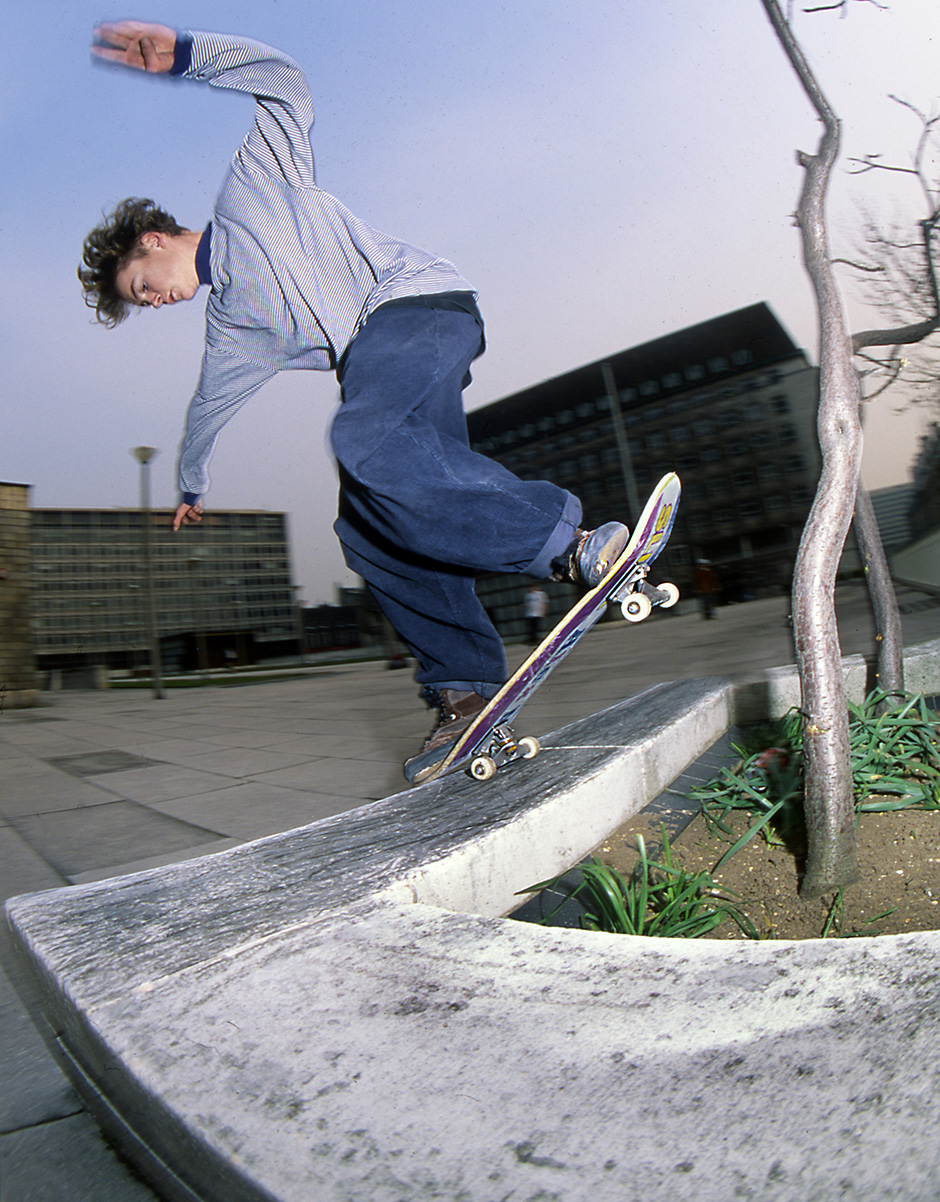
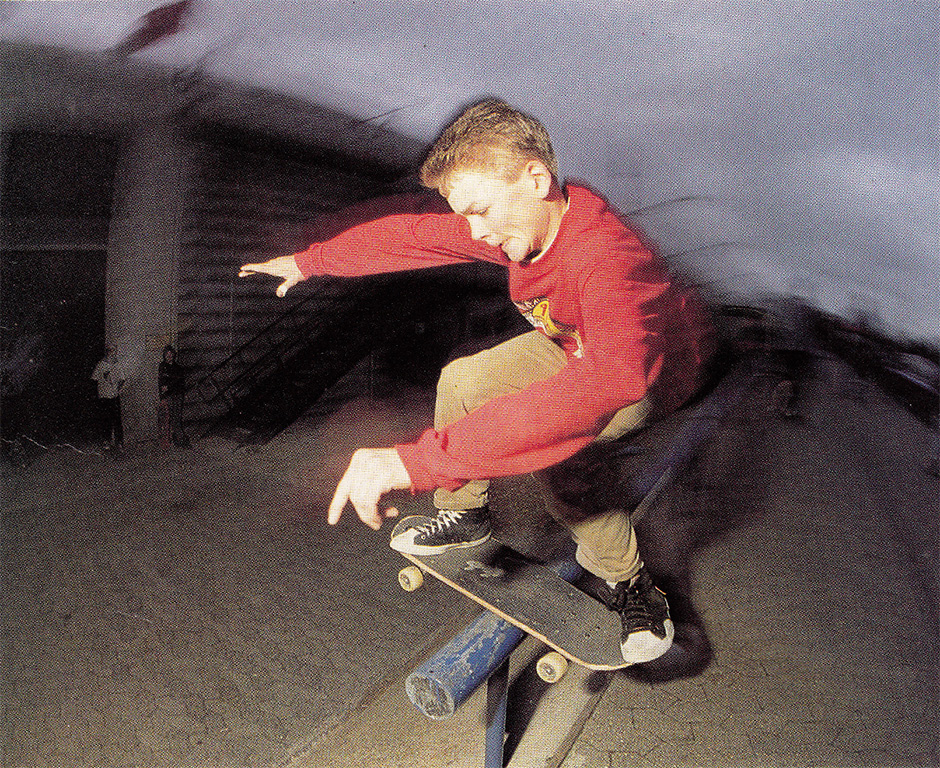
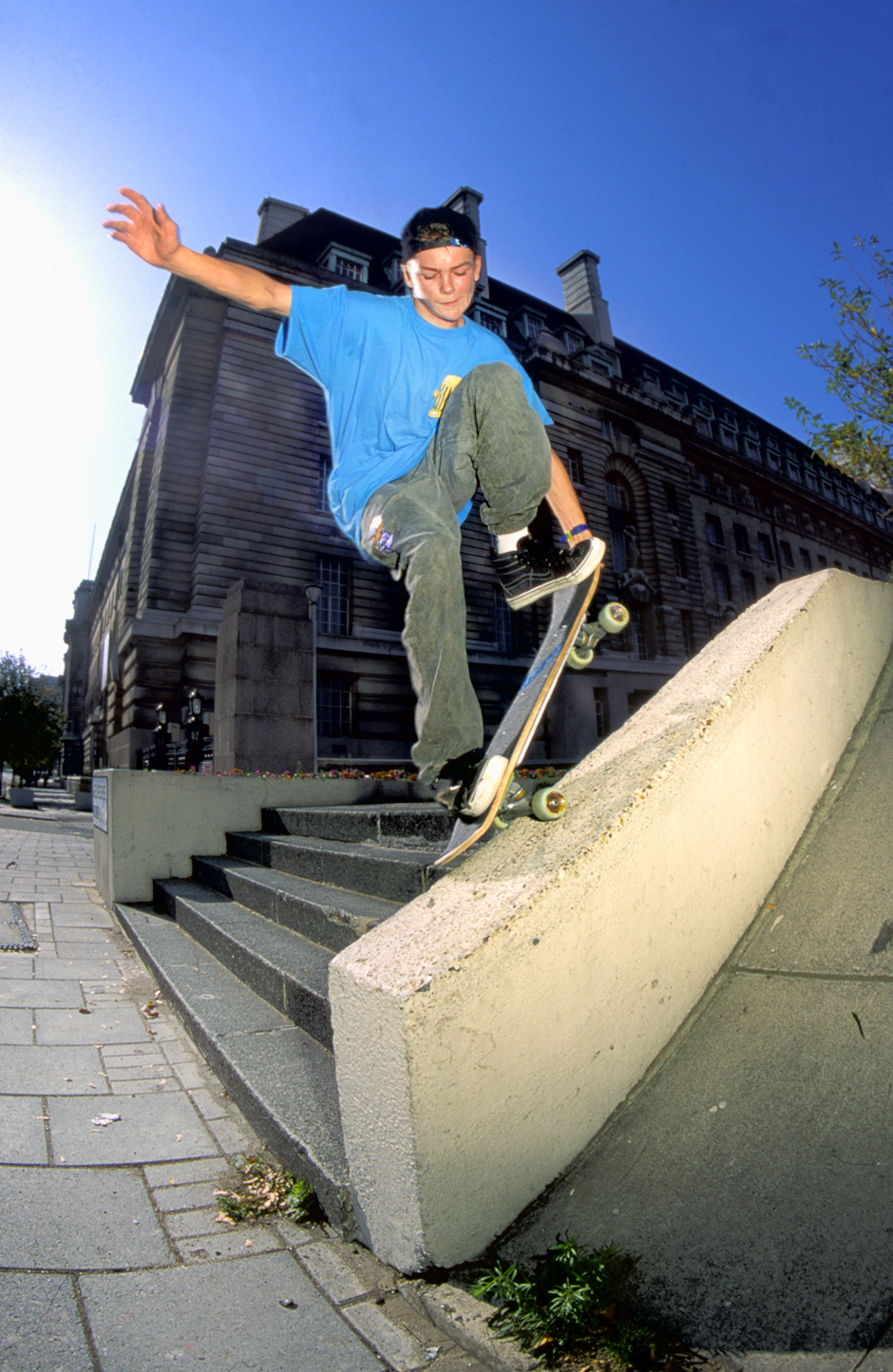
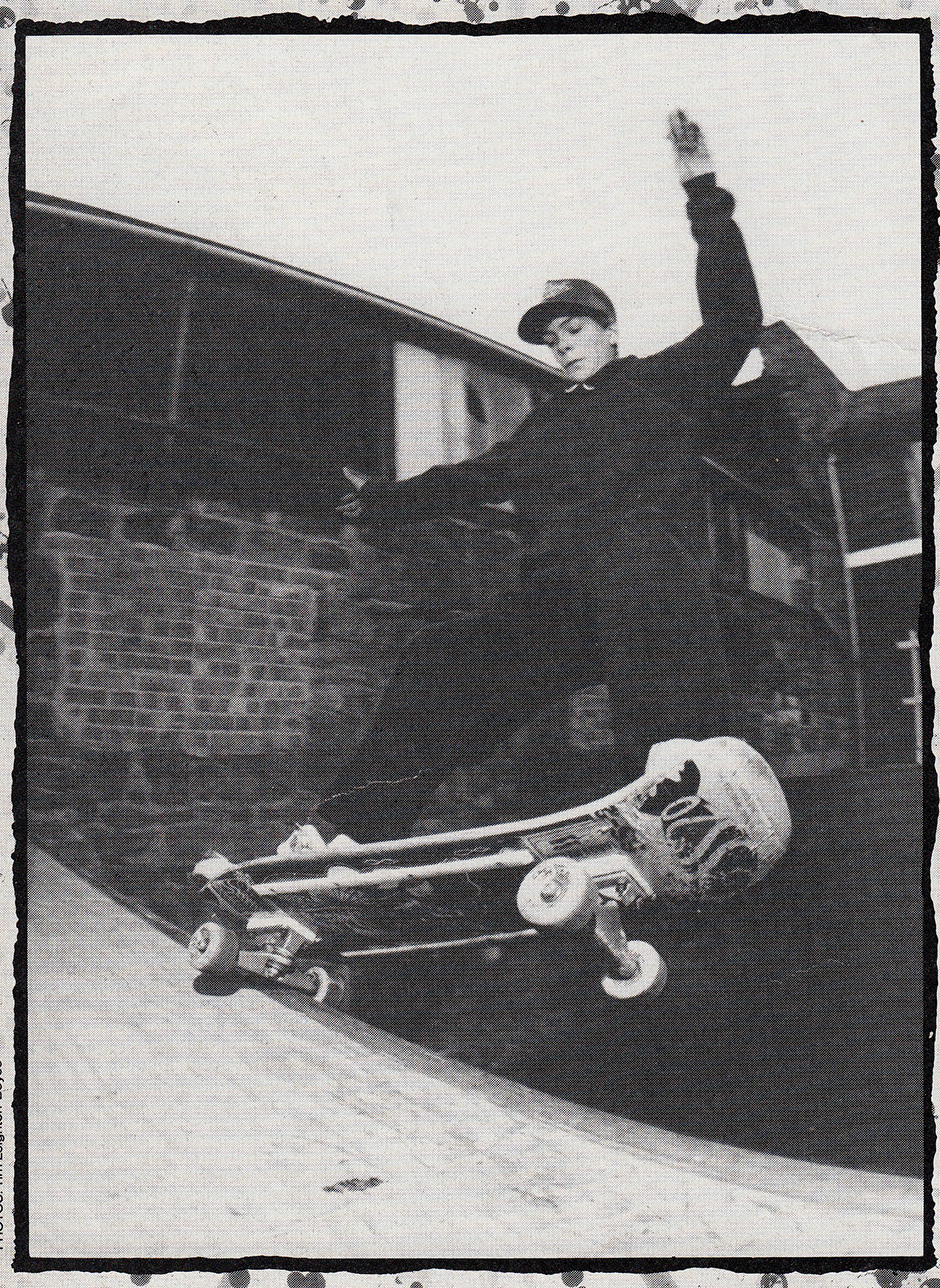
Photography: Tim Leighton-Boyce / archive via Slam City Skates.
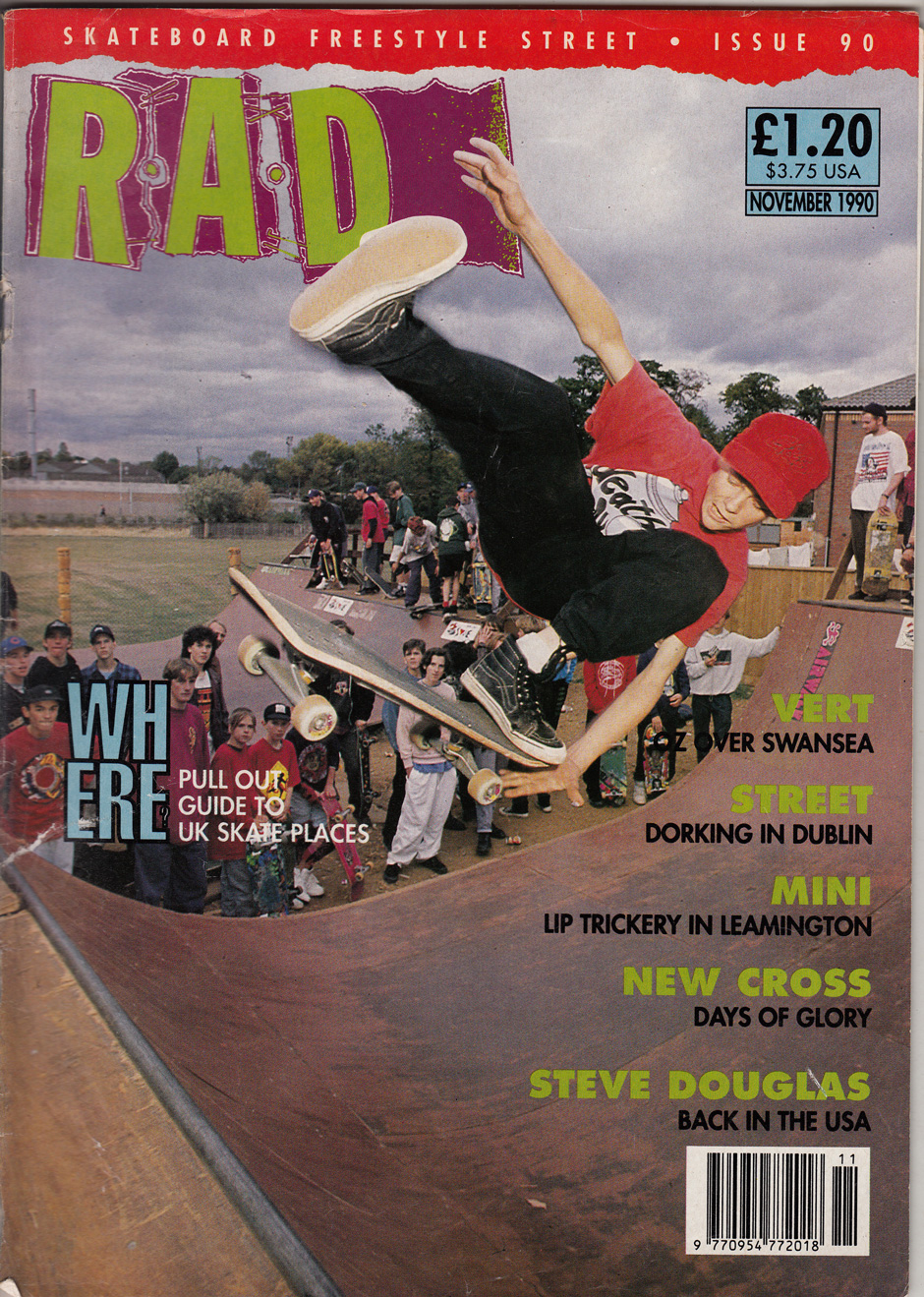
Skatewear changed fashion before the wider industry fully understood what it was borrowing. The shift began with practical clothes chosen for movement: loose jeans that did not restrict the legs, work trousers that survived rough ground, oversized T-shirts that layered easily and shoes built to absorb repeated impact.
None of those pieces were exclusive to skateboarding. What made them distinctive was the way skaters combined them. Proportion became relaxed, wear became visible and personal styling mattered more than conventional polish. A pair of trousers could drag across the ground. A shoe could look better after weeks against grip tape. Clothing became convincing because it appeared used rather than presented.
Over time, fashion absorbed more than the surface details. Skate culture offered a different model of authenticity, one built through local shops, independent media, small brands and recognisable personalities. The influence can still be seen in today’s baggy jeans , cargo trousers , long jorts and oversized layers . The clothes changed, but so did the system around them.
Skatewear changed fashion by making use, attitude and community part of the design.
From functional uniform to fashion language
Street skating changes proportion
Loose trousers, layered tops and durable footwear become useful answers to a new urban terrain.
Independent brands build complete worlds
Videos, graphics, teams and magazine adverts make skate clothing culturally specific rather than merely practical.
Television widens the audience
Action-sports broadcasting carries skate silhouettes into homes far beyond established scenes.
Video games make the look immersive
Players encounter skate brands, music and clothing as part of an explorable cultural world.
Skatewear becomes everyday youth clothing
Graphic tees, hoodies, wide denim and skate shoes move from specialist shops into national retail.
Streetwear changes luxury
Scarcity, collaborations and community-led releases become central to international fashion.
Loose silhouettes return
Baggy jeans, carpenter trousers, long shorts and technical skate shoes re-enter mainstream wardrobes.
Skateboarding reaches the Olympic stage
Institutional acceptance confirms the culture’s reach while its clothing remains rooted in movement.
Skatewear rewrote the proportions of everyday clothing
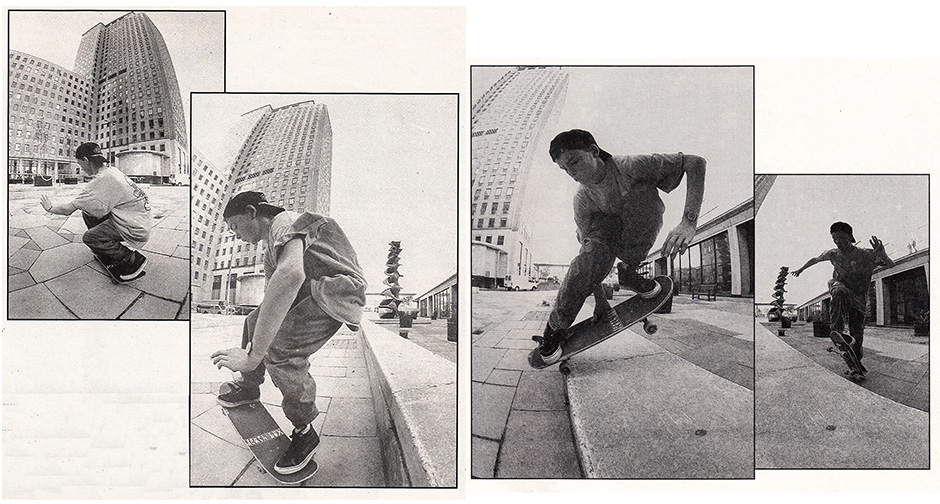
Mainstream menswear spent much of the late twentieth century treating neatness as a sign of intention. Trousers were expected to sit correctly, hems were meant to finish cleanly and sportswear usually followed the shape of the body. Skatewear offered a different form of control. The clothes were intentionally loose because movement mattered more than a tidy outline.
Wide trousers created room through the thigh and knee. Longer rises allowed the waistband to sit lower without restricting the legs. T-shirts extended past the waist, while hoodies and overshirts created layers that moved independently. The result was relaxed, but it was not accidental. The silhouette developed through repeated use.
Fashion eventually separated those proportions from skateboarding and treated them as design decisions in their own right. Wide-leg trousers, oversized shirts and substantial footwear appeared in collections far removed from the skate shop. Yet the balance still followed a familiar logic: volume above, width below and enough weight at the shoe to ground the outfit.
Workwear became part of fashion’s permanent vocabulary
- Original role
- Durable clothing for physical labour
- Skate appeal
- Hard-wearing fabric, useful pockets and room to move
- Fashion effect
- Carpenter details became aesthetic rather than purely functional
- Legacy
- Utility clothing became everyday streetwear
The utility trouser
Skateboarding recognised the value of workwear before fashion fully separated it from its occupational context. Twill trousers, carpenter jeans and cargo styles were durable, widely available and comfortable enough for an entire day outside.
The details mattered. Reinforced seams, tool pockets, loops and heavier fabric added visual structure to an otherwise loose silhouette. Once fashion adopted those elements, utility became a style category of its own. A pocket no longer needed to hold a tool to justify its presence.
- Core feature
- Durability with visible wear over time
- Skate shape
- Wide leg, relaxed rise and generous hem
- Fashion effect
- Distressing and abrasion became desirable finishes
- Legacy
- Baggy denim remains a recurring fashion reset
Denim that improved through damage
Skateboarding gave wear a narrative. Frayed hems, softened knees and faded thighs showed how a garment had been used. Fashion had long sold distressed clothing, but skatewear made the relationship between damage and identity unusually visible.
Wide denim also challenged the idea that jeans should follow the leg. The fabric could stack above the shoe, fold through movement and change shape as it aged. The return of baggy denim is therefore more than nostalgia. It reflects an enduring preference for clothes that develop character.
Skate culture becomes an interface, not just an image.
Skatewear changed how fashion communicated
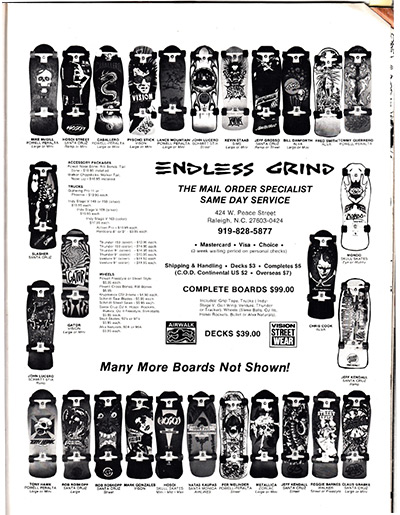
Traditional fashion marketing often explained a product from the outside. A campaign presented an ideal image, and the customer was asked to enter it. Skate brands worked differently. Their identities were carried by teams, videos, magazine adverts, shop staff and local scenes. The product appeared as evidence of belonging rather than the entire story.
A board graphic could introduce an artist. A video part could define a shoe. A shop could determine which labels mattered in a particular town. This network made skatewear feel discovered rather than delivered. Fashion later adopted the same language through small releases, collaborations, editorial films and community-led credibility.
The change was especially important online. Streetwear translated the skate shop’s limited shelf into digital scarcity. Product drops created urgency, while social media allowed customers to watch a release form part of a larger cultural conversation. Fashion began behaving less like a seasonal institution and more like an ongoing feed.
The product mattered, but the world around it made people care.
Scarcity, collaboration and the new fashion calendar
- Old model
- Large seasonal collections planned far in advance
- New model
- Smaller drops released throughout the year
- Skate influence
- Specialist availability and shop-led demand
- Legacy
- Fashion became faster and more conversational
The drop
Skate and streetwear brands demonstrated that limited availability could create attention without conventional advertising. Customers learned when products arrived, queued outside shops and treated release day as a cultural event.
Fashion adopted the rhythm. Instead of waiting for two major seasonal changes, audiences began expecting frequent launches and smaller moments. The result made clothing feel immediate, but it also accelerated consumption and increased the pressure to remain visible.
- Function
- Join two audiences through one product
- Skate precedent
- Brands, artists, shops and riders sharing identity
- Fashion effect
- Unexpected partnerships became major launch events
- Legacy
- Authorship became shared and culturally strategic
The collaboration becomes a language
Collaboration feels natural in skate culture because brands have always depended on a network of contributors. Riders, photographers, illustrators, musicians and shops all shaped the final image. Fashion later formalised that exchange into the collaborative product.
The strongest partnerships do more than combine logos. They create tension between two histories and give each audience a new reason to look. The weakest borrow credibility without contributing anything back.
Fashion learned to value imperfection
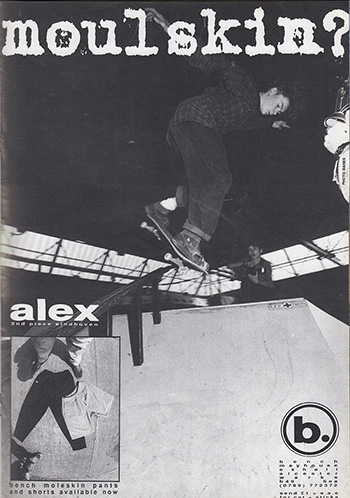
Skatewear made clothes attractive without requiring them to remain pristine. Scratches, fading, repaired seams and softened fabrics could increase attachment because they recorded time. This challenged the fashion image of a garment as something best understood when new.
Designers increasingly reproduced those signs of use: washed colour, distressed surfaces, exposed construction and deliberately irregular proportions. Sometimes the result captured the emotional appeal of worn clothing. At other times it reduced experience to a finish applied in the factory.
The distinction still matters. Authentic wear is connected to activity, while manufactured distress is a visual proposal. Both can look convincing, but only one contains a personal history. Skate culture taught fashion to appreciate the evidence of use, even when fashion could not recreate the experience behind it.
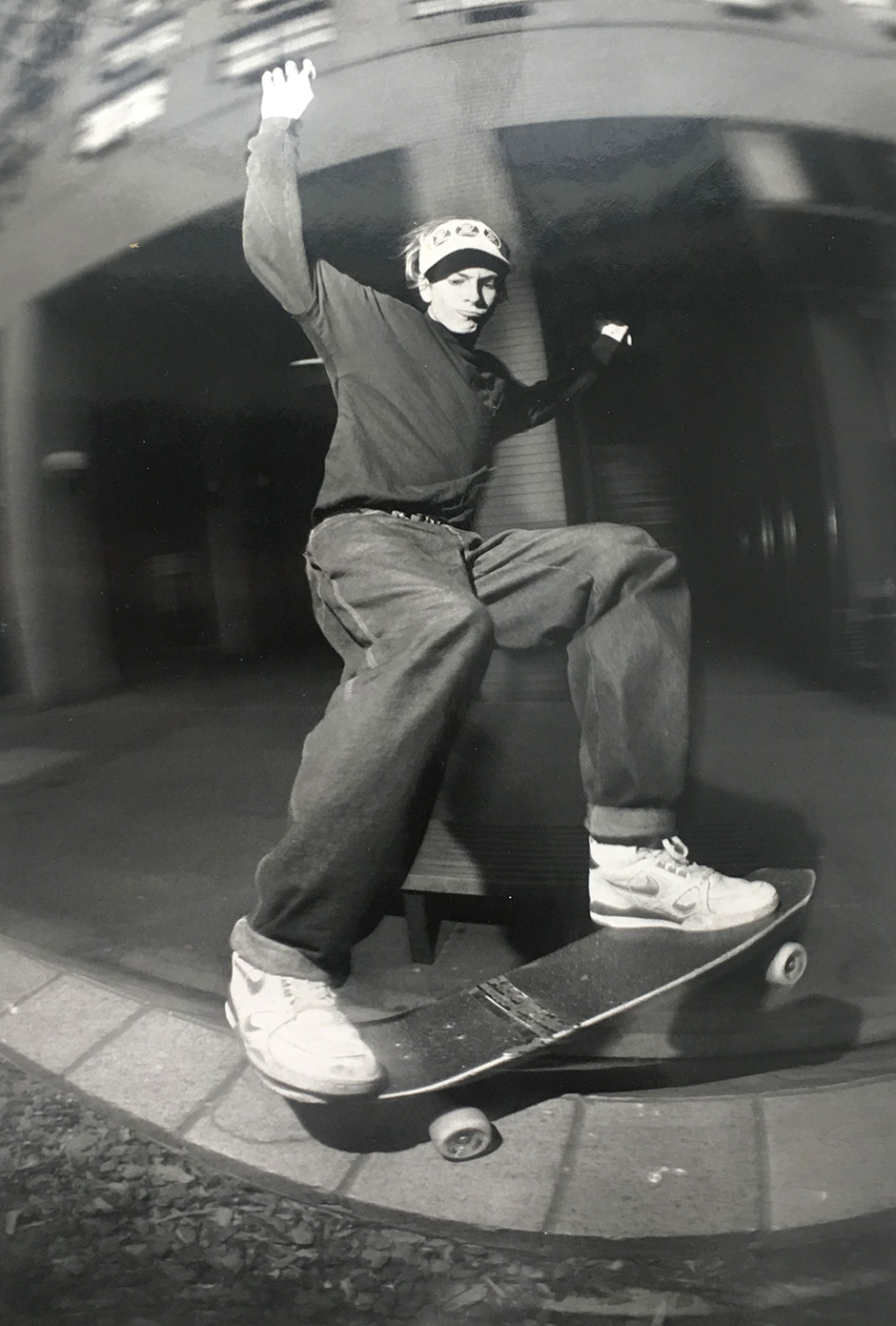
The shape remains, even when the context changes
Contemporary fashion moves freely between skate references and wider streetwear. Wide denim can appear beside tailored outerwear. Cargo trousers can be styled with knitwear rather than a graphic tee. A skate shoe can ground an outfit that contains no other obvious connection to the culture.
That flexibility is evidence of skatewear’s success. Its strongest ideas no longer require a complete uniform. Proportion, utility, wear and relaxed layering have become independent tools available to anyone.
The Dikdik Duds approach follows the same logic through carefully selected baggy bottoms , relaxed trousers , long shorts , layering pieces and shoes that complete the shape without turning it into costume.
Final frame
Skatewear changed more than the clothes
Skatewear’s most obvious legacy is visual: wide trousers, oversized layers, workwear details, graphic T-shirts and substantial shoes. But its deeper impact sits in the way fashion now operates. Independent identity, cultural storytelling, limited releases, collaborations and community-led credibility all became central to the modern industry.
The influence continues because skatewear was never only a trend. It was a practical system that developed its own language through use. Fashion adopted that language because it offered something difficult to manufacture from above: clothes that looked connected to real movement, real places and real people.


